Every year, as the Earth tilts furthest from the sun, the winter solstice arrives quietly: a moment of deep stillness, long shadows, and fragile light.
For photographers, this is more than just the shortest day of the year; it’s a chance to connect with the subtle poetry of winter’s light.
Winter solstice photography invites us to slow down, observe, and create images that balance technical precision with spiritual reflection.
In this post, we’ll explore how to photograph the solstice technically and symbolically; how to use its quiet palette and fleeting light to tell deeper stories of the land and its cycles.
I receive a small commission from links in this post, thank you for your support
Why Photograph on the Winter Solstice?
The winter solstice is one of the most powerful seasonal moments in nature’s calendar. Ancient cultures celebrated it as a turning point on the Wheel of the Year: the rebirth of the sun and the gradual return of light.
For photographers, this day holds the same symbolic power: a reminder that every shadow carries a hint of illumination waiting to return.
When photographing the winter solstice, the goal isn’t to chase grand scenes or blazing skies. Instead, it’s about presence. It’s about showing what happens when light is rare and delicate, when frost traces the world’s edges, and when the landscape seems to whisper rather than shout.
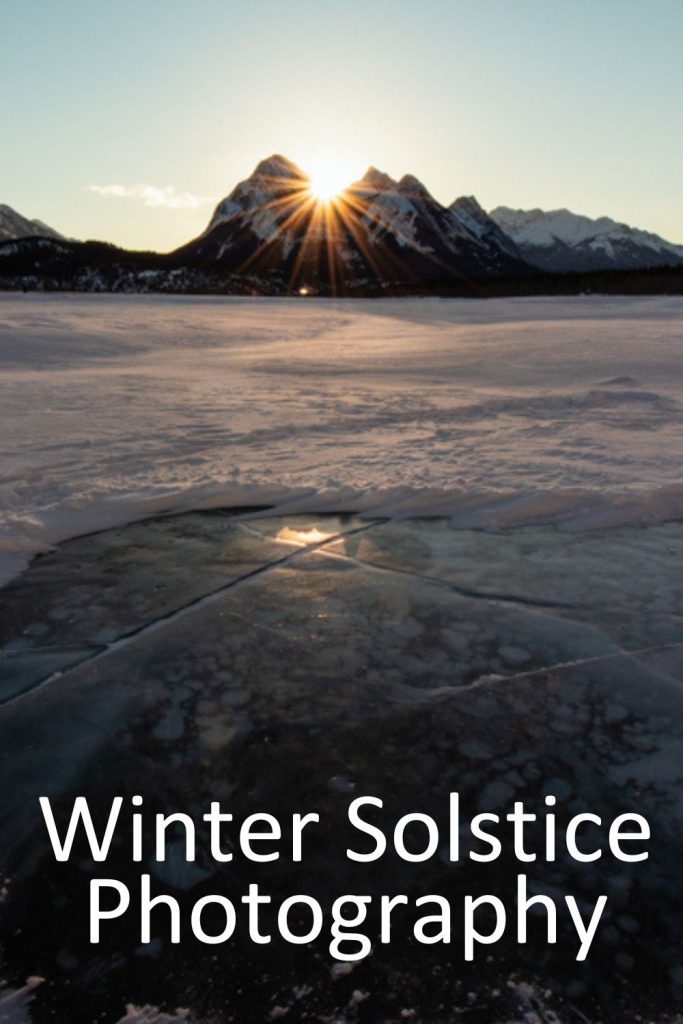
The low sun angle near the solstice creates long, painterly shadows and soft golden tones. This type of light can transform even familiar scenes into quiet studies of texture and shape.
Photographing during this season helps deepen your understanding of natural cycles and teaches you to see not just the scene in front of you, but the rhythm of the Earth beneath it.
How to Prepare for Solstice Shoots
Preparation is essential for any winter photography outing, but even more so during the solstice. The light window is short sometimes less than eight hours in northern latitudes, so plan carefully.
- Scout locations ahead of time. Visit your chosen spot days before to observe how the sun interacts with the landscape. Notice how shadows fall and where frost or mist tend to linger.
- Check sunrise and sunset times. Solstice light peaks quickly. Apps like PhotoPills or The Photographer’s Ephemeris can help you map the sun’s trajectory.
- Dress for endurance. Layer clothing and bring gloves that allow you to adjust camera settings without freezing your fingers.
- Protect your gear. Cold weather drains batteries quickly; keep extras in your pockets and use lens hoods to guard against condensation.
When planning, remember that comfort and safety come first. The goal is to linger long enough to feel the day’s stillness and to observe how even in the quiet cold, life persists.
Winter Photography Gear
- Sturdy Tripod from FLM
- Zoom (Canon 24-105mm)
- Long Range Zoom (100-500mm)
- Wide Angle (Rokinon 14mm)
- Remote Trigger (or use in Camera timer)
- Lens Cloths
- ND Filters
- Polarizer
Low Light Winter Photography Tips
Shooting in low light challenges every photographer. Yet, it’s exactly this challenge that makes winter solstice photography so rewarding. Here are a few practical ways to make the most of limited light:
- Use a tripod. Stability is crucial when shutter speeds drop below 1/60th of a second.
- Widen your aperture. f/4 or f/2.8 allows more light and adds soft background blur, perfect for intimate winter scenes.
- Raise ISO carefully. Modern cameras handle ISO 1600 or 3200 well: don’t fear noise if it means capturing detail.
- Use exposure compensation. Snow and ice often trick your meter into underexposing. Add +1 stop to maintain brightness.
- Shoot in RAW. This gives you flexibility when adjusting exposure and white balance later.
Low light teaches patience. It invites you to work with what the solstice gives, instead of fighting it.
Winter Solstice Light 0n Landscapes
The solstice’s light carries a softness unlike any other time of year. With the sun hovering low, colors stretch and shadows lengthen. The combination of cool air and warm light can make scenes feel otherworldly.
To capture this winter light in landscapes, focus on the transitions: where light meets shadow, where warmth meets chill. Try photographing during golden hour and again just after sunset when the world turns blue and still.
Snow, frost, and ice act like mirrors. They scatter and diffuse light in mesmerizing ways. Don’t shy away from cloudy days, either overcast skies create subtle tones that express the introspective mood of the solstice.
Winter Solstice and Shadow Play
Winter is the season of shadows. The sun’s low arc casts long, elegant lines across the landscape, revealing structure and form. Look for ways to use these shadows compositionally such as leading lines, patterns, and silhouettes can bring powerful contrast to your images.
Try shooting with the sun to your side or slightly behind your subject to enhance shadow play. Bare trees, snowbanks, and rocky outcrops are perfect for studying how light carves shape from stillness.
There’s symbolism here too: the solstice’s long shadows echo our inner cycles of rest and renewal. Each image becomes both a study of physics and a meditation on balance.
Photographing Frost, Snow, and Ice at the Solstice
Few subjects capture winter’s beauty like frost and ice. Their textures change daily and sometimes minute by minute as temperatures rise. Early mornings are best for these delicate subjects, before sunlight melts the details.
Use a macro lens or zoom in close to reveal crystalline patterns. Experiment with backlighting to make frost sparkle or use diffused side light to bring out surface texture. When shooting snow, watch your histogram and exposure levels closely; bright whites can easily clip highlights.
Don’t limit yourself to grand vistas. A frozen puddle, frost-covered leaf, or a thin veil of ice on a pond can tell the solstice story in quiet, intimate ways.
Long Exposure Winter Landscapes
When daylight is scarce, long exposure winter landscapes come alive. A 10-stop ND filter lets you extend exposure times even under daylight, smoothing flowing water or capturing subtle cloud movement.
In twilight, long exposures create luminous trails from headlights or moonlit reflections over snow. Use a tripod, remote shutter release, and manual mode to maintain control. Start with a base of f/11, ISO 100, and adjust shutter speed from 5 to 30 seconds depending on available light.
These slow exposures mirror the solstice itself an act of stillness, patience, and surrender to time’s slow rhythm.
Symbolism and Storytelling: The Meaning Behind Solstice Imagery
While the solstice offers stunning light, its deeper power lies in meaning. Across cultures, the winter solstice symbolizes rebirth, renewal, and the eternal balance between darkness and light. Incorporating this into your symbolic photography of seasons transforms your work from mere documentation into visual storytelling.
Use imagery that reflects transition such as melting frost, emerging sunlight, or long shadows fading into glow. The winter landscape philosophy reminds us that every frame is a dialogue between what is fading and what’s to come.
Capturing elemental forces in winter: the bite of wind (air), the solidity of snow (earth), the warmth of sunlight (fire), and the drip of melting ice (water), helps anchor your photos in natural balance. These aren’t just compositional choices; they’re ways of witnessing the interconnectedness of all things.
Connecting with Nature Through Solstice Photography
At its core, winter solstice photography is about relationship. It invites us to reconnect with the Earth’s rhythms, to slow our breathing, and to listen. In a world that values speed and abundance, the solstice teaches restraint, reflection, and gratitude.
Use your camera as a tool for mindfulness. Pause before each shot. Feel the cold air on your skin. Notice the stillness between gusts of wind. Photography becomes a ritual: an offering back to the land, a gesture of awareness and care.
When you photograph with this sense of connection, your images will carry that energy. Viewers will feel not just what the landscape looked like, but what it meant.
Conclusion: Light Returns, Slowly
Every solstice reminds us that light always returns, even in the darkest season. To photograph it is to participate in that timeless cycle: to honor stillness, shadow, and renewal.
📸Learn for free!
➡️ FREE Wallpapers and Guides
➡️ DISCOUNTS on future Tours & Tutorials
➡️ TIPS for improving Your photography

You can unsubscribe at anytime.
- Why Photograph on the Winter Solstice?
- How to Prepare for Solstice Shoots
- Winter Photography Gear
- Low Light Winter Photography Tips
- Winter Solstice Light 0n Landscapes
- Winter Solstice and Shadow Play
- Photographing Frost, Snow, and Ice at the Solstice
- Long Exposure Winter Landscapes
- Symbolism and Storytelling: The Meaning Behind Solstice Imagery
- Connecting with Nature Through Solstice Photography
- Conclusion: Light Returns, Slowly
- FAQ
- References
- 📸Learn for free!
FAQ
What’s the best time of day to photograph the winter solstice?
Early morning and late afternoon offer the most dramatic light. The sun sits low all day, so even midday can produce soft, golden tones—ideal for landscapes, shadows, and frost textures.
References
- British Journal of Photography – Light and Symbolism in Seasonal Imagery
- National Geographic – The Meaning and Science of the Winter Solstice
- Outdoor Photographer – Tips for Winter Landscape Photography
- Nature TTL – Long Exposure Techniques in Winter Conditions
- The Photographer’s Ephemeris – Planning Tools for Seasonal Shoots