Every landscape photographer dreams of that one frame—the shot that feels like everything aligned perfectly: the light, the land, the timing, and you.
But those moments don’t just happen by luck.
Capturing a once-in-a-lifetime landscape shot takes planning, patience, intuition, and a willingness to be fully present in the environment you’re photographing.
Fail to Plan: Plan to Fail
What Does “Once-in-a-Lifetime” Really Mean for a Landscape Photographer?
For some, it’s an image from a faraway place they’ve only seen in books. For others, it’s a local spot where conditions finally come together after years of visits.
What makes it “once in a lifetime” isn’t just rarity: it’s meaning. It’s the feeling of connection and awe that happens when everything around you clicks into harmony.
That kind of image doesn’t come from rushing. It’s the reward for slowing down, studying your environment, and building a relationship with the landscape itself.
📸Learn for free!
➡️ FREE Wallpapers and Guides
➡️ DISCOUNTS on future Tours & Tutorials
➡️ TIPS for improving Your photography

You can unsubscribe at anytime.
How to Plan and Visualize an Extraordinary Image Before You Even Arrive
Planning your epic nature photography shot starts long before you press the shutter. Begin by researching your chosen location. Study maps, topography, sunrise and sunset data, and weather patterns.
Use apps like PhotoPills, The Photographer’s Ephemeris, or Windy to understand how light and conditions shift through the day or season.
Then, visualize. Ask yourself:
- What emotion do I want this place to convey?
- How does the land interact with light, water, air, or texture?
- What composition could express that feeling best?
Creating a mental picture before you arrive helps you shoot with purpose, not panic. When you finally reach the location, you’ll know exactly how to respond to changing light and conditions.

What Gear, Settings, and Preparation Do You Need for a Dream Shot?
You don’t need the most expensive camera but you do need to know your gear inside out. That’s what gives you speed when the moment happens. Pack efficiently and plan your workflow:
- Camera and lenses: A wide-angle lens for drama, a telephoto for compression and scale.
- Tripod: Essential for low light and long exposures.
- Filters: Polarizer for reflections and haze, ND for motion blur.
- Backups: Batteries, SD cards, microfiber cloths, and weather protection.
Before heading out, check your settings. Are you shooting RAW? Is your ISO optimized for the light? Is your focus mode ready for the type of scene?
Once those technical steps are second nature, you can turn your full attention to creativity.
Gear I bring to Shoots
- Sturdy Tripod from FLM
- Zoom (Canon 24-105mm)
- Long Range Zoom (100-500mm)
- Wide Angle (Rokinon 14mm)
- Remote Trigger (or use in Camera timer)
- Lens Cloths
- ND Filters
- Polarizer
How to Scout a Location with Presence and Intention
Scouting is about more than finding a viewpoint, it’s about finding a connection. Visit at different times of day if possible. Notice how the light moves across the landscape, where shadows form, and which features seem to call you.
Walk without your camera for a while. Observe the textures, smells, and sounds. These sensory impressions help you understand how to photograph the feeling of a place, not just its appearance. That’s how you turn an ordinary scene into something extraordinary.
How the Seasons, Elements, and Timing Shape Your Image
Every season tells a different story. The soft pastels of spring carry renewal. The deep greens of summer evoke abundance. Fall bursts with transformation, while winter reveals simplicity and stillness.
The four elements: earth, air, fire, and water, are always part of the scene. Earth grounds the frame with structure and form. Air moves through fog, clouds, and wind. Fire glows in sunrise and sunset. Water reflects, refracts, and balances the scene with flow.
Aligning seasons, elements, and timing for your shot connects you to the deeper rhythm of the natural world. When those forces converge, you don’t just capture an image, you capture a moment that feels alive.
Balancing Gear Readiness with Creative Vision
It’s easy to get caught up in technical prep such as checking batteries, adjusting settings, making sure everything’s waterproofed. But once you’re ready, you have to let go.
That’s where the balance comes in: the moment when you stop thinking about your gear and start responding to what’s in front of you. The light shifts, the wind changes, and suddenly, you’re not forcing the shot rather, you’re part of it.
Being ready doesn’t just mean technically prepared; it means emotionally and creatively open.
Mastering Weather, Light, and Environment for One-Off Shots
Weather is often the deciding factor in whether your shot succeeds or fails. Instead of waiting for perfect blue skies, learn to adapt.
- Stormy conditions: Use dramatic skies to create tension and mood.
- Fog or mist: Soften the scene and create layers of depth.
- Harsh light: Experiment with silhouettes or backlighting.
- Golden hour: Use the warm tones of dawn or dusk for softness and magic.
Mastering weather, light, and environment isn’t about control: it’s about cooperation. You can’t dictate what nature gives you, but you can prepare to meet it halfway.
Creating Signature Images Rather Than Copying Views
One of the easiest traps to fall into is trying to recreate someone else’s iconic photo. But when you chase another photographer’s perspective, you lose your own.
When you arrive at a well-known spot, take a moment to breathe before you shoot. Ask yourself what draws you to the scene personally. Shift your perspective for example move lower, go wider, or wait for different light. Look for a detail or emotion others might have overlooked.
Your once-in-a-lifetime image should be yours alone, born from how you see, feel, and connect.
The Mindset of Once-in-a-Lifetime Photography
Every great photograph balances preparation with surrender. You can plan, pack, and predict, but there will always be variables beyond your control. That’s part of what makes photography so powerful: it’s a collaboration between you and the land.
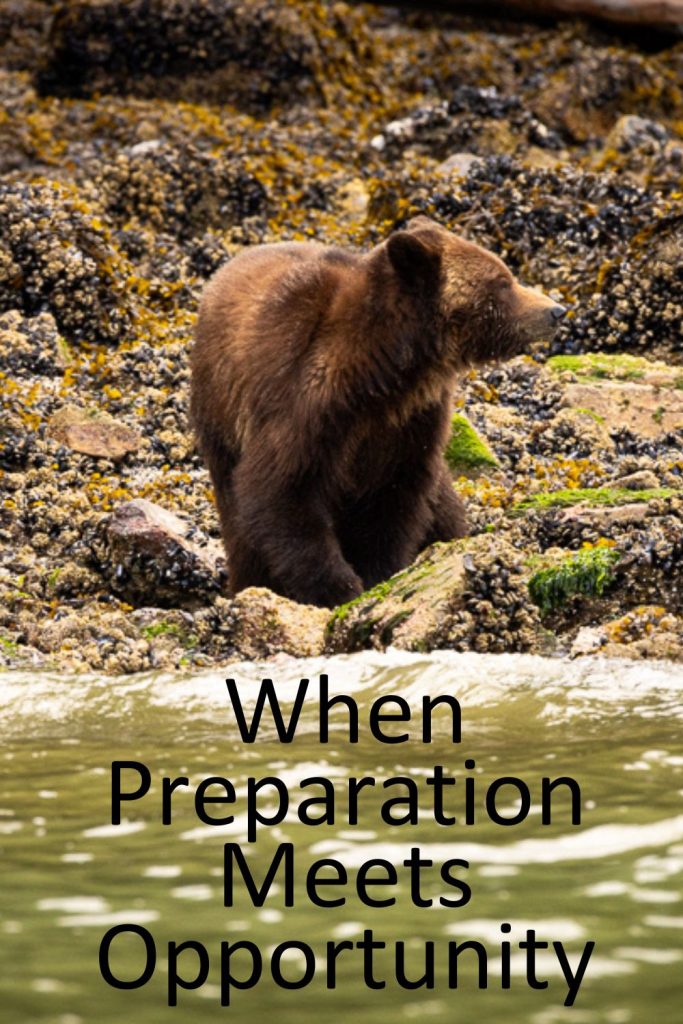
Sometimes, your dream shot happens right on schedule. Other times, it arrives as a surprise such as an unexpected moment of light, a break in the storm, a reflection that vanishes seconds later. Those are the moments when preparation meets opportunity.
When you’re aligned technically, mentally, and emotionally, you’re ready to receive whatever nature offers.
Conclusion
A once-in-a-lifetime photo isn’t just about being in the right place at the right time, it’s about being the right person in that place and moment. The deeper your connection with nature, the more you’ll notice when something extraordinary is unfolding.
Preparation, mindfulness, and vision come together to create magic. When you show up with respect for the land and readiness in your heart, you’ll find that those “once-in-a-lifetime” moments happen more often than you think.
📸Learn for free!
➡️ FREE Wallpapers and Guides
➡️ DISCOUNTS on future Tours & Tutorials
➡️ TIPS for improving Your photography
You can unsubscribe at anytime.
- Fail to Plan: Plan to Fail
- What Does “Once-in-a-Lifetime” Really Mean for a Landscape Photographer?
- How to Plan and Visualize an Extraordinary Image Before You Even Arrive
- What Gear, Settings, and Preparation Do You Need for a Dream Shot?
- Gear I bring to Shoots
- How to Scout a Location with Presence and Intention
- How the Seasons, Elements, and Timing Shape Your Image
- Balancing Gear Readiness with Creative Vision
- Mastering Weather, Light, and Environment for One-Off Shots
- Creating Signature Images Rather Than Copying Views
- The Mindset of Once-in-a-Lifetime Photography
- Conclusion
- FAQ
- 📸Learn for free!
- 📸Learn for free!
FAQ
How do I prepare for a once-in-a-lifetime photo?
Start with research and planning: know your location, timing, and weather patterns. Practice with your gear until it’s instinctive, but stay open to surprises. Once you’re in the field, slow down, breathe, and connect with the land. The best shots come when preparation meets presence.
References
- The Photographer’s Ephemeris – Planning Natural Light in Landscape Photography
- PhotoPills – Advanced Planning for Epic Landscape Shots
- National Geographic – Patience and Preparation: Lessons from the Field
- Outdoor Photographer – Mastering the Unpredictable in Nature Photography
- Nature TTL – How to Prepare for Once-in-a-Lifetime Landscape Moments