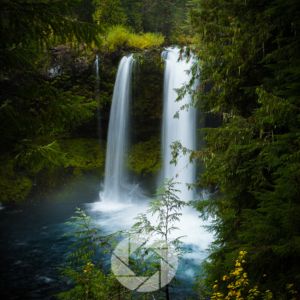

These days, our images don’t just tell stories; they guide footsteps.
That’s why digital Leave No Trace photography has become such a big part of my own practice.
It isn’t about secrecy; it’s about stewardship; honoring the land both in person and online.
We are living inside the algorithm age; where a single photograph can pull hundreds or thousands of people toward a fragile location in a matter of days.
The digital world has become part of the wilderness whether we like it or not; which means our responsibility extends beyond boots on the ground.
In this post, I wanted to share a way of thinking that blends the outdoor ethics we already know with the reality of social media, trending algorithms and the weird, nonstop churn of online visibility.
Leave No Trace Update for the Algo Age
What Does Leave No Trace Mean In The Digital Age Of Photography
Traditional Leave No Trace is about the physical world; minimize impact on soil, vegetation, wildlife and other visitors. Digital Leave No Trace expands that idea; protect vulnerable landscapes from overexposure caused by viral content. In other words; share the beauty you experience while also understanding that a photograph can function like a signal flare.
If the land is sacred; and if every image is a relationship; that relationship should include awareness of what happens after we publish. In the social media era, the afterlife of a photograph is part of our footprint.
Leave No Trace used to feel entirely physical; stay on trails; respect wildlife; avoid damaging fragile surfaces. But the digital world created a second landscape; one where a location can go from unknown to overwhelmed because of a viral photo.
Digital Leave No Trace extends the original ethic; it means thinking about the lasting impact of your posts just as much as the impact of your footsteps.
How Sharing A Wild Place Online Creates Real-World Impact
When an image blows up on social media, the increase in visitation can be dramatic. A once quiet wash can suddenly see hundreds of people on a Saturday.
A delicate sandstone curve can be trampled flat in one season. A tiny patch of wildflowers can be wiped out because people want the same tripod-level angle they saw online.
It’s not that people are malicious; it’s that visibility directs desire. Algorithms push what performs well and human curiosity follows.
It’s rarely intentional harm. It’s visibility. When a photo spreads quickly through algorithms, people follow. As photographers, we sit at the gateway between digital influence and physical spaces.
This is why digital Leave No Trace matters. It’s not about secrecy or gatekeeping. It’s about understanding causality; the digital world and the real world are woven together, and photographers sit right at the crossroads.
When Visibility Becomes Visitation And How To Recognize The Tipping Point
Some locations can handle crowds; others can’t. The signs are usually subtle at first; new social trails; trampled vegetation; wildlife acting stressed; noise where there should be desert silence.
When you start noticing these shifts, it’s a sign the place might be crossing that threshold where responsible sharing becomes essential.
The tipping point often shows up as crowded pullouts, new social trails, and noise where there should be silence. This leads to wildlife changing behavior and trash collecting in places that used to feel untouched.
If you’ve photographed a location you suspect is near this tipping point; that’s your cue to adopt a gentler approach when you post it.
Learn more about Leave No Trace (LNT), Eco-friendly Travel, and Ethics for the Algo
Should Landscape Photographers Geotag Their Locations
This is the big question in the algorithm age. Geotag responsibly is the keyword; but what does it really mean in practice
Here are three approaches that honour the land without hiding your work:
- Use region-only tags; “Sonoran Desert” instead of a specific drainage.
- Use general park-level tags; “Grand Staircase Escalante” instead of “Cosmic Ashtray.”
- Avoid geotagging entirely for places that are fragile or unmanaged.
The goal is not to erase the place; but to widen the lens so visitors spread out instead of funneling into one fragile spot.
How To Apply Leave No Trace Outdoors And Online
Digital Leave No Trace is not a separate ethic; it’s an extension of what we already practice in the field.
In the field; stay on established paths; respect wildlife; avoid disturbing cryptobiotic soil; follow seasonal closures; minimise noise and light pollution.
Online; avoid pinpoint geotags that funnel crowds into sensitive locations; avoid glorifying off-trail behavior; disclose ethical field practices; teach your audience how you protect the land; mention risks like flash floods, monsoon storms or fragile terrain so followers understand this is not a casual stroll.
When you lead by example, your posts become part of the educational texture of the digital wilderness.
Responsible Sharing In The Age Of Algorithms
Whether we like it or not, social media guides much of public behavior. It’s not enough to say “people should know better.” They often don’t. And that’s where responsible sharing comes in.
Try weaving stewardship into your captions; small notes about staying on trail; reminders that sandstone is fragile; encouragement to enjoy from established viewpoints. These tiny messages travel far; especially when your image gains traction.
Think of each post as a conversation with both the land and your audience. What do you want people to feel when they see the place What do you want them to understand before they go there What responsibility do you have as the person who brought them into the scene
Updated Ethics For Photographers In The Algorithm Age
Algorithms change how quickly and how widely photos travel. That means our ethics need to adapt.
Updated ethics look like this:
- Consider the impact of a location tag before posting.
- Share safe access practices when appropriate.
- Do not share images of illegal or harmful behavior.
- Avoid encouraging risky or harmful activities in pursuit of a shot.
- Educate your audience about fragility and respect.
- Lead with intention, not exposure.
This is how ethical photo sharing becomes part of stewardship rather than just another layer of performance.
Responsible Use Of Filters, Edits And Image Amplification
Digital Leave No Trace includes transparency in editing. This isn’t about listing your sliders; it’s about avoiding manipulations that encourage unsafe or unrealistic expectations. If you composite in a moon that is ten times its natural size; or erase barriers; or brighten dangerous edges; people may try to recreate what they believe is real.
Edits should honour the truth of the land. You can enhance mood; deepen color; elevate drama; but keep the core landscape honest. This protects not only your integrity but also the safety of those who follow your work.
Mindful Photography In A Hyper-Connected World
Mindful photography means understanding that presence comes before posting. You are in relationship with the land long before you upload the image.
Consider how the elements are working together; notice the season; feel the texture of the moment itself. That presence comes through in the image. And when you carry that presence into your digital behavior, your online footprint becomes part of a larger cycle of respect.
Balancing Creativity, Visibility And Conservation Online
Everyone wants their work to be seen. There is nothing wrong with that. But there is a difference between visibility that honours the land and visibility that drains it.
Ask yourself
- Does sharing this location uplift or endanger it
- Is this a place that can handle increased visitation
- Is there a way to share without inviting harm
- Can I tell this story in a way that supports conservation
When creativity meets conscience, your work becomes part of something bigger than the image itself.
Preserving Wildness In A Hyper-Connected World
Wildness is finite in many ways. Once a fragile place is worn down, the damage lasts for decades. Practicing digital Leave No Trace helps preserve the silence of a canyon, the untouched curve of a dune, the delicate moss on a shaded boulder.
Photography is a relationship with the land. Digital stewardship is simply an extension of that relationship; another way of saying thank you to the place that gave us the image.
Conclusion
Digital Leave No Trace photography is not about withholding the beauty of the world. It is about honoring it. Our images travel farther than our footprints ever will, which means our responsibility does too.
By sharing mindfully, tagging carefully and approaching our online presence with the same respect we bring to the field, we become stewards of both the land and the digital trails that lead back to it.
Photography is a conversation with the land. Let that conversation be honest; respectful; and forward-looking.
📸Learn for free!
➡️ FREE Wallpapers and Guides
➡️ DISCOUNTS on future Tours & Tutorials
➡️ TIPS for improving Your photography

You can unsubscribe at anytime.
- Leave No Trace Update for the Algo Age
- What Does Leave No Trace Mean In The Digital Age Of Photography
- How Sharing A Wild Place Online Creates Real-World Impact
- When Visibility Becomes Visitation And How To Recognize The Tipping Point
- Learn more about Leave No Trace (LNT), Eco-friendly Travel, and Ethics for the Algo
- Should Landscape Photographers Geotag Their Locations
- How To Apply Leave No Trace Outdoors And Online
- Responsible Sharing In The Age Of Algorithms
- Updated Ethics For Photographers In The Algorithm Age
- Responsible Use Of Filters, Edits And Image Amplification
- Mindful Photography In A Hyper-Connected World
- Balancing Creativity, Visibility And Conservation Online
- Preserving Wildness In A Hyper-Connected World
- Conclusion
- FAQ
- 📸Learn for free!
FAQ
Use broad tags instead of exact coordinates; talk about stewardship in your captions; and avoid showing sensitive foreground footprints or off-trail positions. Small adjustments make a big difference in how people treat the land after seeing your image.
References
- Leave No Trace Center for Outdoor Ethics; LNT.org
- Digital Photo Sharing and Environmental Impact; The Nature Conservancy Press