

Every time I’m out guiding tours or wandering my favorite desert canyons, I’m reminded how dramatically the color story of a place transforms throughout the year.
Those transformations can become the anchor of your image making: a way to slow down, tune in, and build consistency in your work without relying on the same locations and angles everyone else uses.
This post walks you through how seasons shape the palette of the land, how those shifts influence your photographs, and how you can use color theory, natural cycles, and your own emotional sense of seasonality to guide your work.
Seasonal Color Palettes in Landscape Photography and the Wheel of the Year
Seasonal Color Palettes in Landscape Photography
I’ve spent so many years chasing the big landscapes across the West that sometimes I forget the quiet magic hidden in the shifting colors of the seasons. There’s a rhythm to the land; a constant turning. And whenever I lean into that cycle, my photographs shift with it.
Seasonal color palettes in landscape photography aren’t just about knowing what colors will show up where. They’re about learning to see the land through the spirit of each season and letting those tones guide your creative choices.

Discover Your Next Journey – These Tours are designed for people who connect with light and landscape.
What Is Seasonal Color Photography And Why Does It Matter
Seasonal color photography is the practice of letting the natural palette of each season guide your creative decisions much like Wheel of the Year Photography.
Rather than forcing a scene into a mood you want, you allow the existing tones of the land and atmosphere to set the emotional tone of the image.
Spring isn’t just green. Autumn isn’t just orange. Winter isn’t simply blue. Each season carries a spectrum; a signature palette that shapes the emotional heartbeat of a photograph.
And for landscape photographers, these color shifts become visual cues that help tell the story of time, change, and the ongoing renewal of the natural world.
When you learn to see a season’s palette, you naturally begin to show the land more honestly. And that honesty creates connection.
How Seasons Change The Palette Of The Land And Your Photographs
Everything in landscape photography comes back to light and atmosphere. When the angle of the sun changes, so do the shadows, the temperatures of the tones, and how the camera interprets color.
Here’s how the four major seasons typically shift the palette of a scene.
Spring
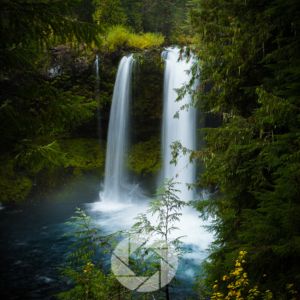
A rising energy; a sense of return. You’ll see soft greens, pale yellows, gentle blues, early blossoms, and delicate new growth. The palette is bright but tender.
Summer
Stronger warmth and saturation. Think deep greens, bold blues, golden grasses, warm earth tones, and bright skies. The palette is intense, often contrast heavy.
Autumn
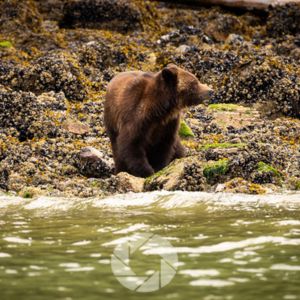
The great transformation. Golds, rusts, cinnamons, deep greens, muted purples, and warm shadows dominate. The palette is cozy, transitional, and emotionally rich.
Winter
Minimalism in its purest form. Subdued blues, greys, whites, desaturated browns, steel skies, and long shadows. The palette is quiet, introspective, and full of subtle emotion.
These shifts not only influence what you capture, but how you feel in the landscape. That emotional recognition should guide your creative choices.
Characteristic Color Palettes For Each Season
Understanding seasonal color palettes helps you anticipate tones before you even arrive at a location. This builds intentionality in your photography and helps you lean into the natural look rather than fighting it.
Spring Palette
This palette works beautifully for images that express renewal, hope, and softness.
- Green: new growth and fresh buds
- Yellow: early blooms and warm sunbursts
- Pink/white: blossoms in trees and ground cover
- Blue: clean skies and gentle water reflections
Summer Palette
This palette conveys energy, heat, boldness, and high vitality.
- Deep green: full maturity of foliage
- Cobalt blue: strong sky tones at midday
- Golden brown: dried grasses and sun-parched earth
- Fiery red/orange: summer sunsets rich in the fire element
Autumn Palette
Autumn palettes are emotional, nostalgic, and deeply expressive.
- Gold: aspens, cottonwoods, ferns
- Red: maples, oak leaves, canyon glow
- Burnt orange: desert grasses and tumbleweed hues
- Warm shadows: low sun creating rich gradient tones
Winter Palette
Winter offers a quiet, contemplative palette that works beautifully for atmospheric storytelling.
- Blue: cold daylight reflected on snow
- White/grey: overcast light and quiet minimalism
- Muted brown: bare trees and dormant grasses
- Lavender/pink: soft winter sunrises and sunsets
How To Use Color Theory To Interpret Nature’s Seasonal Palettes
Color theory becomes a powerful tool when paired with natural seasonal palettes. Instead of forcing color grades in post-processing, you can lean into how the land naturally arranges complementary tones.
Analogous Harmonies
- Autumn: rust, gold, and brown
- Winter: blue, grey, and lavender
- Summer: green, teal, and blue
- Spring: green, yellow, and white
Complementary Pairings
- Autumn: orange leaves against cool blue shadows
- Winter: pink sky gradients against desaturated land
- Summer: golden earth tones against deep cobalt skies
- Spring: soft magentas or yellows against fresh greens
Using analogs and complements helps your photograph feel grounded in the natural world while still creating visual impact.
How Light, Weather, And Season Shape Color And Mood
Seasonal color palettes aren’t just about vegetation and foliage. They’re shaped equally by changes in light quality. Each season brings its own emotional vocabulary.
- Spring light: cool, thin, and often hazy. Fog softens spring tones.
- Summer light: harsh, direct, and intense. Storms deepen summer contrasts.
- Autumn light: warm, angled, and emotional. Low light angles warms autumn hues.
- Winter light: low, soft, and atmospheric. Snow strips winter palettes to essentials.
How To Plan And Shoot With Seasonal Palettes In Mind
Planning becomes your best friend when working with seasonal palettes. One of the most surprising lessons I’ve learned is that the same location can look like four completely different worlds depending on the season. The more you return, the more you see.
Here are a few ways to prepare:
- Look for seasonal vegetation reports
- Study sunrise and sunset angles
- Watch moisture levels; they affect saturation
- Track storms, haze, frost, or fog
- Revisit locations throughout the year
How Seasonal Color Palettes Reflect The Earth’s Rhythms
When you photograph seasonally, you’re capturing how the land expresses its elemental identity throughout the year. That’s where meaning enters your work.
Each season corresponds beautifully to the four elements.
Spring: Air — movement, renewal
Summer: Fire — heat, energy
Autumn: Earth — grounding, transition
Winter: Water — stillness, reflection
Why Choosing Season Over Location Can Transform Your Photography
Many photographers think they need new locations to stay inspired. Often what they really need is a new season. Seasonal palettes can transform a familiar trail or viewpoint into something entirely fresh. A new location can excite you and deepen the meaning in your images.
Posts for You
If you liked this post, check out these ones here:
- How to Photograph the Wheel of the Year
- Elemental Earth Abstracts
- All Landscape Photographers are Pagan
Conclusion
Seasonal color palettes in landscape photography invite you to move at the pace of the natural world. They teach you to look slowly, to honor the moment, and to express the land as it exists right now within the cycle of light, weather, and time.
When you lean into seasonal palettes, your photographs gain resonance. They stop being simple records of places and become expressions of seasonal mood, elemental balance, and your connection to the land.
The Wheel of the Year turns, and every season brings its own palette: essentially another chance to listen closely to nature and translate that quiet conversation into your work.
- Seasonal Color Palettes in Landscape Photography and the Wheel of the Year
- Seasonal Color Palettes in Landscape Photography
- What Is Seasonal Color Photography And Why Does It Matter
- How Seasons Change The Palette Of The Land And Your Photographs
- Characteristic Color Palettes For Each Season
- How To Use Color Theory To Interpret Nature’s Seasonal Palettes
- How Light, Weather, And Season Shape Color And Mood
- How To Plan And Shoot With Seasonal Palettes In Mind
- How Seasonal Color Palettes Reflect The Earth’s Rhythms
- Why Choosing Season Over Location Can Transform Your Photography
- Posts for You
- Conclusion
- FAQ
FAQ
Many beginners try to force a mood that doesn’t match the season. Honoring the natural palette instead of shifting it in post-processing usually leads to more authentic and emotionally compelling images.
References
- Stephen Milner. Nature’s Palette: Mastering Color In Landscape Photography.
- Luminous Landscape. Color Theory In Landscape Photography Explained.