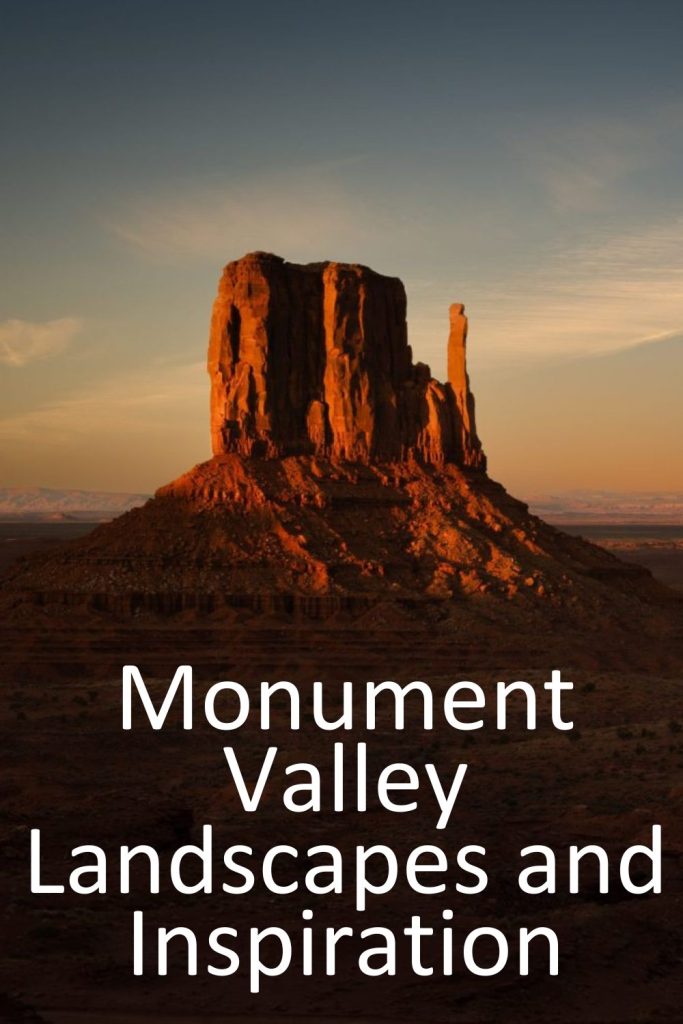
In this post, I’ll share my experiences with Monument Valley landscape photography including tips for photographing sunrise, sunset, and night skies, plus insights from Navajo-led photography tours.
Alongside technical advice, I’ll also reflect on how the cycles of nature and the four elements reveal themselves in this sacred land.
Standing on the edge of Monument Valley is like standing inside a living cathedral. Towering sandstone buttes rise from the desert floor, glowing red in the light of dawn or dusk.
At night, the skies open into an ocean of stars, some of the darkest in North America. For photographers, Monument Valley is both a challenge and a gift: its beauty is obvious, but capturing it in a way that feels fresh and personal requires care, patience, and connection.
I receive commissions from links in this post, thank you for your support
Monument Valley Photography Tips
How to Photograph Monument Valley
Photographing Monument Valley is about scale and light. Wide-angle lenses allow you to include the grandeur of the buttes and sweeping desert floor, while telephoto lenses isolate details, compress layers of mesas, or highlight shafts of light breaking through clouds.
Because the desert light changes quickly, it’s essential to be prepared with a tripod, polarizing filter (to cut glare and deepen skies), and extra batteries and cards. A sturdy tripod is particularly valuable for sunrise, sunset, and long-exposure astrophotography.
For me, photographing Monument Valley always feels like an encounter with Earth; the enduring stone, weathered by centuries, grounding both the land and the photographer.
Photography Gear for Monument Valley
- Sturdy Tripod from FLM
- Zoom (Canon 24-105mm)
- Long Range Zoom (100-500mm)
- Wide Angle (Rokinon 14mm)
- Remote Trigger (or use in Camera timer)
- Lens Cloths
- ND Filters
- Polarizer
📸Learn for free!
➡️ FREE Wallpapers and Guides
➡️ DISCOUNTS on future Tours & Tutorials
➡️ TIPS for improving Your photography

You can unsubscribe at anytime.
Monument Valley Photography Tips
When shooting during the day, avoid the harshest light (midday). Early morning and late afternoon provide more forgiving conditions.
Roads and desert trails often create natural leading lines, guiding the viewer’s eye toward the iconic buttes. Foreground interest like sagebrush, desert textures, or winding dirt tracks, adds depth to wide-angle shots.
Patience is everything here. Clouds drift in and out, winds shift the mood, and the vast horizon constantly changes. I’ve found that returning to the same viewpoint at different times of day transforms the scene entirely.
This is Air; the movement of clouds, the shifting winds, the endless desert sky that makes Monument Valley so alive.

Monument Valley Sunrise Photography
Sunrise is one of the most magical times in Monument Valley. As the first light strikes the buttes, their red sandstone glows like fire. Shooting at low ISO with a tripod lets you capture detail without noise. Consider bracketing exposures to balance the brightening sky with the darker desert floor.
The silence before dawn is profound. As I set up my camera, I felt as though the desert itself was holding its breath, waiting for the sun. It was in those moments that I understood Fire; the spark of first light, igniting the land into color.

Monument Valley Sunset Photography
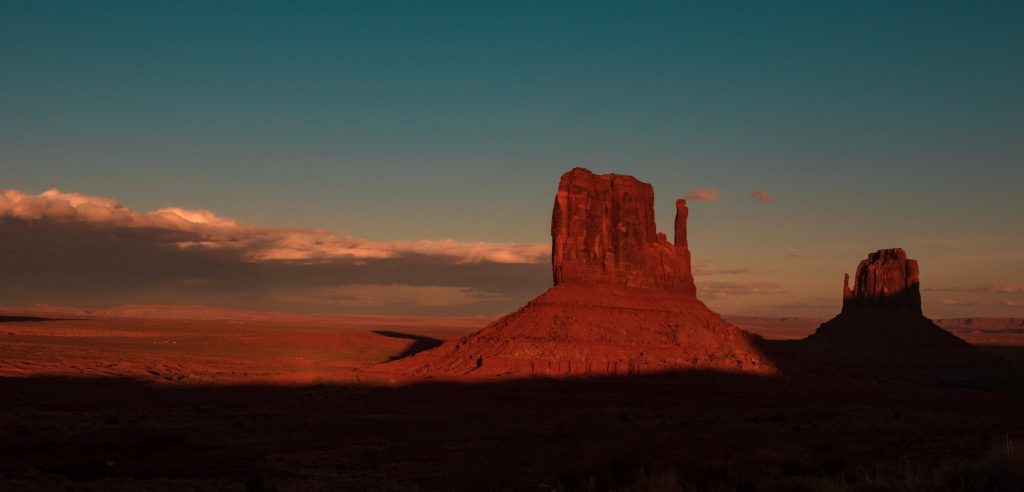
Sunsets here carry a different energy. While sunrise feels like fire igniting the land, sunset feels like air exhaling; softening the edges, deepening shadows, and letting the desert rest. The buttes cast long silhouettes across the floor, and the horizon glows with orange, purple, and pink tones.
To capture sunset, meter for the sky but don’t lose your shadows. Graduated ND filters or Lightroom post-processing can help balance the exposure.
Monument Valley at sunset, glowing red sandstone buttes under a colorful evening sky

Best Time to Photograph Monument Valley
Every season tells a different story.
- Winter: Crisp skies, occasional snow dusting the red rock (a rare but unforgettable sight).
- Spring: Clear skies and cooler temperatures, with softer light.
- Summer: Afternoon monsoons bring dramatic clouds and lightning (incredible but challenging to shoot).
- Autumn: Balanced light, fewer crowds, and deep colors.
Like the Wheel of the Year, Monument Valley’s moods shift with time. Returning in different seasons allows you to see and photograph, new faces of the same land.
Additional Monument Valley Photography Locations
John Ford’s Point
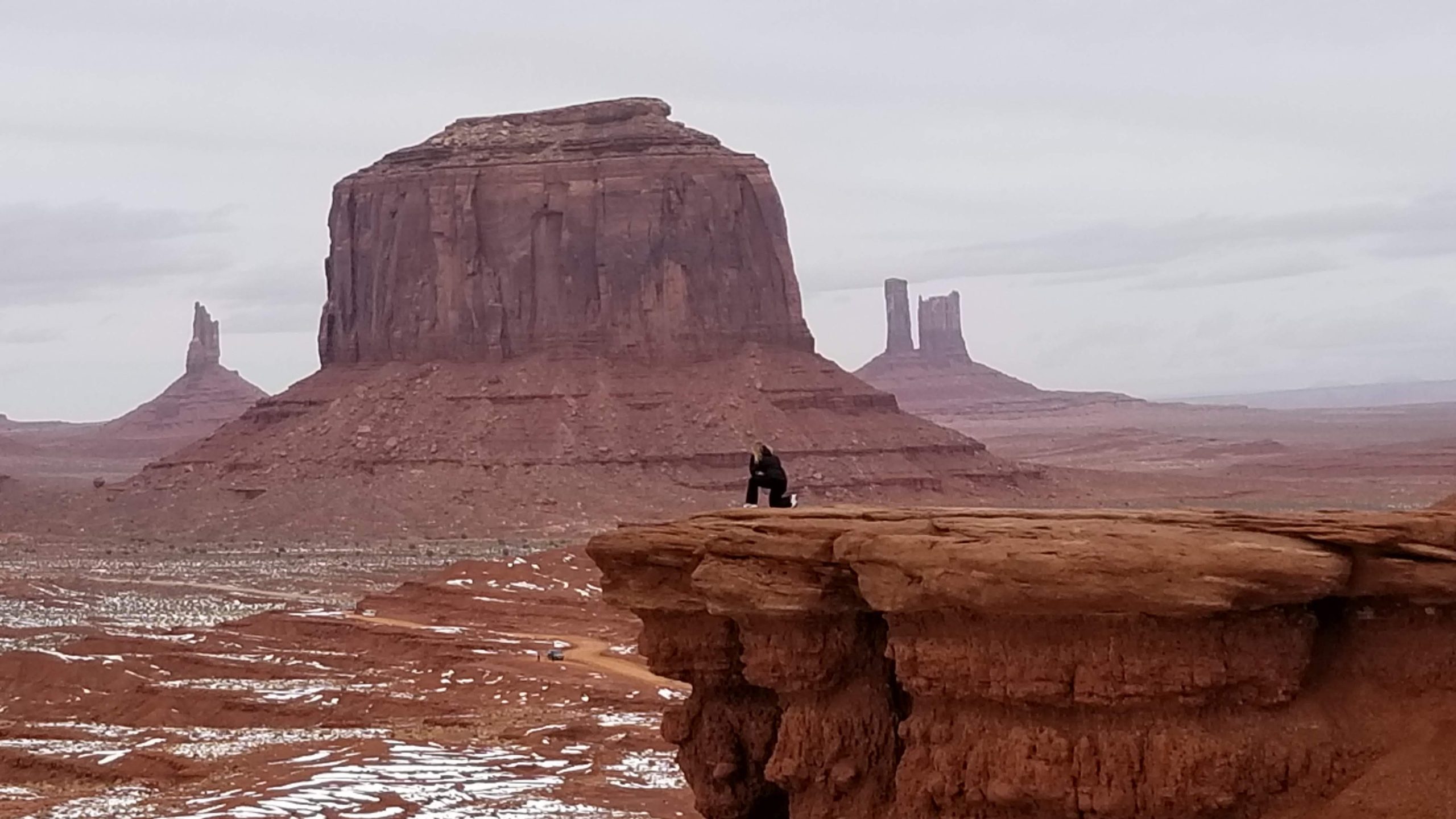
Perhaps the most famous viewpoint in Monument Valley, John Ford’s Point was made legendary by Western films of the mid-20th century. From here, you’ll capture sweeping views of the valley floor with buttes rising dramatically in the distance.
Tips:
- Arrive in the morning for softer light and fewer crowds.
- Use a wide-angle lens to emphasize scale, but also try a telephoto to compress the layers of mesas.
- A CPL filter helps deepen skies and cut haze.
- Look for opportunities to include foreground elements like the winding road or silhouettes of riders on horseback (a classic scene).
Reflection: Standing here feels like gazing across time itself as you look over a large swath of the Valley, with the Earth element grounding you in the permanence of stone.
The Totem Pole and Yei Bi Chei Spires
This striking cluster of rock formations in the eastern part of the valley is a favorite for both sunrise and sunset photography. The slender Totem Pole spire contrasts beautifully against the surrounding mesas.
You can also create astrophotography images if you sign up for a night photography Navajo Tour.
Tips:
- Best shot in the early morning when the rising sun lights up the spires from the east.
- Use longer focal lengths (100–200mm) to isolate the Totem Pole against dramatic skies.
- If conditions allow, experiment with silhouettes at sunset.
- Navajo-led tours often give you access to closer, less crowded vantage points.
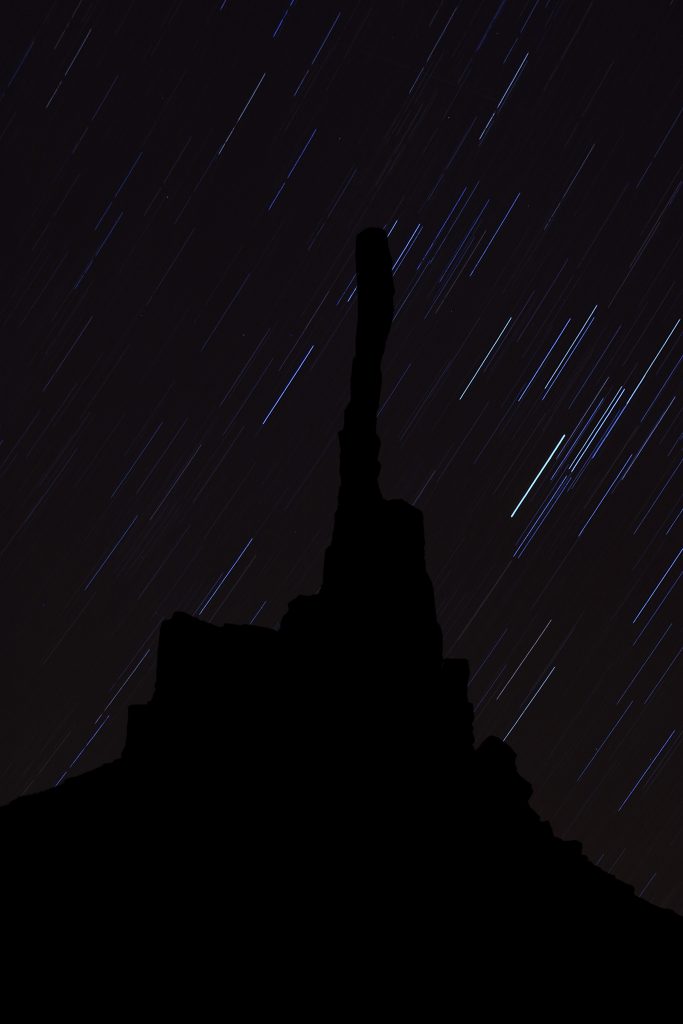
Monument Valley Night Photography
For photographers who love the night sky, Monument Valley is one of the best dark-sky locations in the U.S. Here, you can capture star trails, the Milky Way, or the quiet glow of buttes under starlight.
Use a wide lens (14–24mm), shoot wide open (f/2.8 or faster), and start with ISO 3200–6400 for the Milky Way. For star trails, try longer exposures or stacking shorter ones in post. A sturdy tripod is essential.
The stillness of Monument Valley at night is almost overwhelming. The land feels like Water—a mirror for the cosmos, reflecting back the infinite.
Navajo Photography Tours
Monument Valley lies within the Navajo Nation, and the most respectful and rewarding way to experience it is through Navajo-led tours.
Local guides share not only access to restricted areas (like Mystery Valley or Hunts Mesa) but also cultural and spiritual context. These tours deepen your connection with the land, turning photography into something more than image-making; it becomes an act of listening and honoring.
Specialized Navajo astrophotography tours are also available, offering safe guidance into the desert at night and teaching you the best techniques for shooting under the stars. With their knowledge of both the land and the skies, these tours are invaluable for beginners and seasoned photographers alike.
For me, joining these tours was transformative. Photographing the land while guided by those who live in relationship with it reminded me that landscape photography is not only about images; it’s about respect and reciprocity.
Personal Reflection: Photographing Sacred Land
Every time I raise my camera in Monument Valley, I feel both small and profoundly connected. The buttes remind me of Earth’s permanence, the skies of Air’s movement, the sun of Fire’s brilliance, and the rare waters of the desert of resilience and flow.
Landscape photography here is more than technical skill. The desert asks us to slow down, to listen, to see not just with the eyes but with the spirit.
Posts for You
If you liked this post, check out these ones here:
- Share Locations Responsibly
- How to photograph popular places
- AI and Landscape Trip Planning
- Best Southwest Photography Locations
Conclusion
Monument Valley landscape photography is both humbling and inspiring. From glowing sunrises to starlit nights, from shifting skies to the grounded permanence of stone, the valley offers endless opportunities to grow as a photographer and as a person.
Whether you come with just a simple camera and tripod or join a Navajo-led astrophotography tour, the most important thing is to be present and to stand in awe, to listen, and to honor the land you’re photographing.
If you’d like to deepen your skills and experience landscapes with fresh eyes, my tours are designed to help you connect with both the technical and the spiritual side of photography.
📸Learn for free!
➡️ FREE Wallpapers and Guides
➡️ DISCOUNTS on future Tours & Tutorials
➡️ TIPS for improving Your photography
You can unsubscribe at anytime.
- Monument Valley Photography Tips
- How to Photograph Monument Valley
- Photography Gear for Monument Valley
- Monument Valley Photography Tips
- Monument Valley Sunrise Photography
- Monument Valley Sunset Photography
- Best Time to Photograph Monument Valley
- Additional Monument Valley Photography Locations
- Monument Valley Night Photography
- Navajo Photography Tours
- Personal Reflection: Photographing Sacred Land
- Posts for You
- Conclusion
- References
- 📸Learn for free!
- 📸Learn for free!
References
- Navajo Nation Parks & Recreation – Monument Valley
- Visit Utah – Monument Valley Travel Guide
- Dark Sky Monument Valley Tours
- National Park Service – Night Sky Photography Tips
- Lonely Planet – Monument Valley Photography Tips