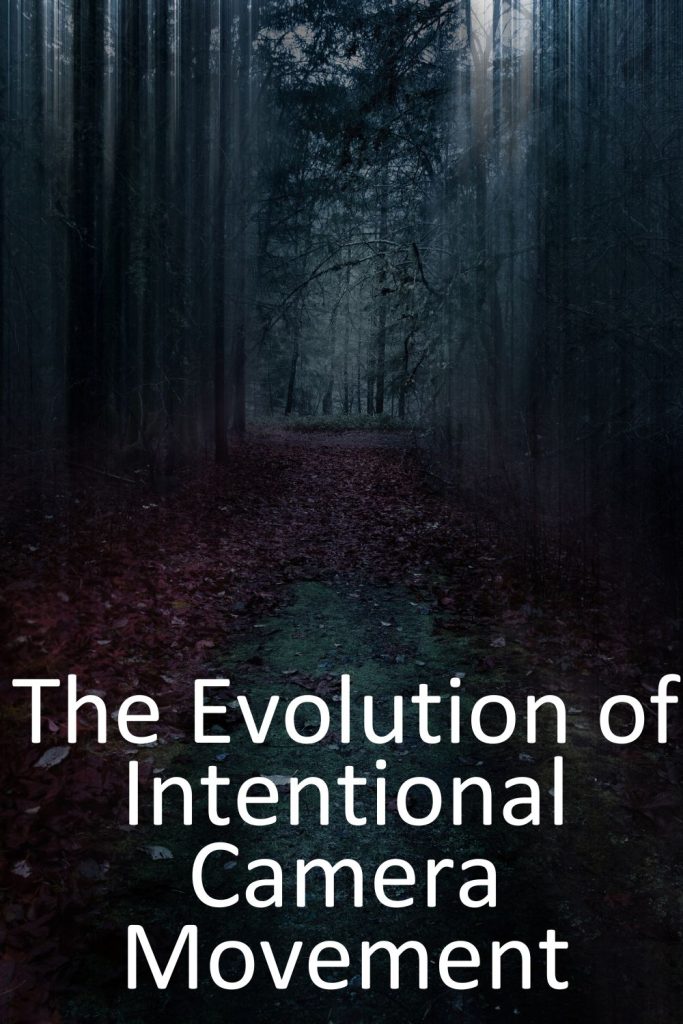
Intentional Camera Movement photography, often called ICM, is where technique meets instinct.
It’s part art, part discipline, and part surrender. Instead of freezing time, you use motion to paint with light, transforming familiar landscapes into gestures of color and emotion.
In this post, you will learn that it’s not about chaos or “just shaking the camera”. It’s about flow, rhythm, and intention.
I receive commissions from links in this post, thank you for your support
Mastering Abstracts and Intentional Camera Movement
What Is Intentional Camera Movement (ICM)?
At its core, ICM is the act of deliberately moving your camera during a long exposure to create abstract nature photography blur. This transforms ordinary scenes into abstract compositions filled with texture and mood. In landscape photography, ICM lets you interpret the energy of a place rather than simply document it.
When I first started experimenting with ICM in landscape photography, I was chasing the elusive feeling of a moment: wind through the trees, waves crashing on the shore, clouds rolling across the mountains. I wanted to express that movement rather than freeze it.
That’s what makes this technique so liberating: it bridges photography and painting.
📸Learn for free!
➡️ FREE Wallpapers and Guides
➡️ DISCOUNTS on future Tours & Tutorials
➡️ TIPS for improving Your photography

You can unsubscribe at anytime.
The Evolution of ICM Beyond “Shake the Camera”
For years, ICM was dismissed as a gimmick. But as more photographers began approaching it intentionally, the practice evolved. Today, we understand that movement, light, and emotional resonance can all be choreographed through deliberate control.
Modern sensors handle low light better, filters give more control, and digital feedback allows endless refinement. The technique has matured into a form of visual poetry: one that encourages mindfulness, patience, and experimentation.


How to Set Up Your Gear for ICM in Daylight
Shooting ICM in bright daylight is one of the biggest challenges. To master it, you need to balance movement, exposure, and light control.
Here’s how to prepare:
- Camera mode: Manual or Shutter Priority gives you full control.
- Shutter speed: Start between ¼–1 second for subtle blur, or 2–4 seconds for fluid, painterly results.
- Filters: Neutral density (ND) filters are essential in bright conditions; they reduce light so you can use slower shutter speeds.
- ISO & aperture: Keep ISO low (100 or 50) and close down your aperture (f/11–f/22) to reduce brightness.
- Lens choice: Try both wide and telephoto lenses; wide gives sweeping gestures, while telephoto compresses and abstracts.
It’s not about getting the “right” settings, it’s about building the foundation that lets movement and emotion take over.

Discover Your Next Journey – These Tours are designed for people who connect with light and landscape.
Gesture-Based Movement Drills: Developing Motion Memory
ICM is a skill you build with repetition. Think of your camera as an extension of your hand a sort of paintbrush guided by light. Try these field exercises to train your “motion instinct”:
- Vertical Sweep: Move your camera smoothly up or down: perfect for trees, waterfalls, or reflections.
- Wave-Matching: Follow the rhythm of waves or rolling hills with a gentle arc.
- Spiral Pull: Rotate slightly while pulling backward to create swirling, dreamlike compositions.
- Side Pan: Sweep horizontally across horizons or forest edges for flowing, cinematic motion.
Practice until your movements feel natural, and you’ll start to sense which gesture fits a scene’s energy.
Composing and Moving in Nature’s Light
Composition in ICM photography is about feeling, not precision. Look for color relationships, light direction, and contrast between shapes. Move your camera in harmony with the flow of the landscape.
If the wind is blowing through grass, follow its direction. If light cuts across a ridge, let your motion trace that path. Like a painter’s brush, you and your vision interprets the world.
Light, Seasons, and Elements in ICM Photography
ICM is deeply connected to natural cycles. Each element guides how motion and light interact:
- Earth: Strong vertical sweeps convey structure and grounding.
- Air: Gentle horizontal motions suggest breeze and atmosphere.
- Fire: Use warm light to express energy and renewal.
- Water: Smooth, flowing gestures mirror the fluidity of reflection and movement.
As the seasons shift, so does your palette. Spring’s fresh greens evoke optimism; autumn’s reds bring intensity; winter’s muted tones invite stillness. Shooting ICM through these cycles builds a deeper connection to place and time.
Training Your Motion Instinct: Field Exercises for Beginners
Consistency is everything. Start with short daily exercises, just as a painter practices brushstrokes:
- Choose one location and explore three gestures (vertical, wave, spiral).
- Keep your shutter speed constant and vary your pace.
- Review your images afterward and note what motion “felt” right.
Over time, you’ll learn to anticipate what kind of movement each scene calls for whether it’s calm and meditative or wild and expressive.
Mindfulness and Movement: The Inner Practice of ICM
Intentional camera movement isn’t just about photography, it’s about presence. When you slow your shutter, you slow yourself. You begin to see how wind moves through branches, how waves breathe against the shore, how light flickers through leaves.
That awareness changes your relationship with the landscape. Instead of chasing moments, you start flowing with them. You’re not just taking pictures, you’re participating in a rhythm that already exists.
Integrating ICM into Your Landscape Photography
Start small. Add ICM as a creative exercise alongside your regular shoots. Maybe you dedicate the last 15 minutes of golden hour to exploring motion. Or use overcast days when light is soft and steady, to practice sweeping gestures.
Over time, you’ll notice that ICM refines your ability to see light, form, and emotion. It strengthens your vision even when you’re shooting static compositions.
Conclusion
Mastering ICM is a dance between technique and intuition. When your motion, light, and vision align, the resulting images transcend the literal: they become emotional landscapes that express your connection to the earth.
Intentional Camera Movement isn’t about control; it’s about conversation. You move, the land responds, and for a brief, magical second, you meet in harmony.
📸Learn for free!
➡️ FREE Wallpapers and Guides
➡️ DISCOUNTS on future Tours & Tutorials
➡️ TIPS for improving Your photography
You can unsubscribe at anytime.
- Mastering Abstracts and Intentional Camera Movement
- What Is Intentional Camera Movement (ICM)?
- The Evolution of ICM Beyond “Shake the Camera”
- How to Set Up Your Gear for ICM in Daylight
- Gesture-Based Movement Drills: Developing Motion Memory
- Composing and Moving in Nature’s Light
- Light, Seasons, and Elements in ICM Photography
- Training Your Motion Instinct: Field Exercises for Beginners
- Mindfulness and Movement: The Inner Practice of ICM
- Integrating ICM into Your Landscape Photography
- Conclusion
- FAQ
- References
- 📸Learn for free!
- 📸Learn for free!
FAQ
What are the best camera settings for ICM photography?
Start with shutter speeds between ¼ and 2 seconds, ISO 100, and a small aperture like f/16. Use ND filters in bright conditions to allow slower shutter speeds.
Is ICM easier with a tripod or handheld?
Handheld gives more freedom and organic movement, while a tripod offers control for panning or partial motion. Try both to find your rhythm.
Can I use ICM in RAW format?
Yes—shooting in RAW allows more flexibility in post-processing, especially when refining color and tone.
References
- Digital Photography School – How to Take Creative Landscape Shots Using Intentional Camera Movement
- Nature TTL – Understanding Intentional Camera Movement (ICM)
- On Landscape – Exploring Motion and Abstraction in the Landscape
- Outdoor Photographer – Finding Flow: ICM Techniques for Natural Light
- The Phoblographer – Painterly ICM: The Art of Moving with Intention