It happens quietly at first. The spark that used to pull you out of bed before sunrise starts to fade.
The camera feels heavier.
The editing backlog grows, and even beautiful landscapes stop inspiring you.
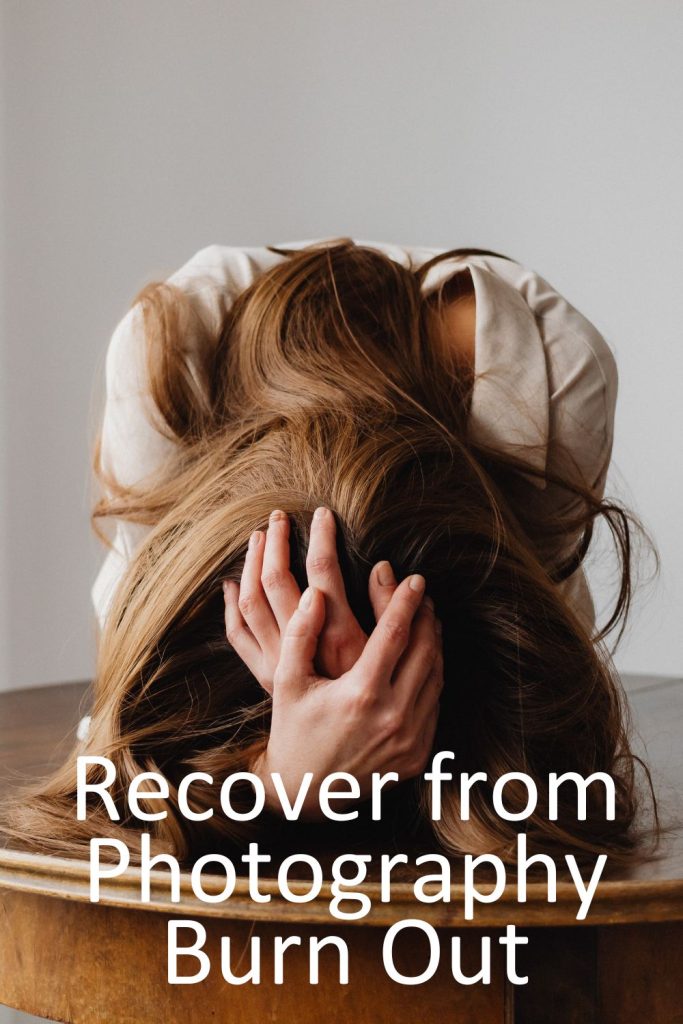
This is photography burnout: a creative exhaustion that can happen to anyone, especially those who live and breathe their craft.
Photography burnout recovery isn’t just about rest. It’s about rediscovery, learning how to see again, reconnecting with your “why,” and allowing yourself to fall back in love with the process.
Feeling Burnt Out? How To Reignite Your Creative Flame
What Is Photography Burnout and How Do You Know You’re Experiencing It?
Burnout in photography often hides behind productivity. You might still be shooting, posting, editing: but something feels hollow. Common signs of photography burnout include:
- Feeling uninspired by locations or light that used to excite you
- Dreading editing sessions or client work
- Comparing your work constantly to others
- Feeling detached from your creative vision
- Struggling to find meaning in your photography
Burnout is rarely about photography itself: it’s about disconnection. When the pressure to produce outweighs the joy of creating, you start to lose touch with what drew you to the craft in the first place.

Discover Your Next Journey – These Tours are designed for people who connect with light and landscape.
Why Does Landscape Photography Lead to Creative Fatigue?
It might sound counterintuitive because how could time in nature possibly lead to burnout? Yet landscape photography burnout often arises from the very love that fuels it. We chase perfection in unpredictable conditions.
We plan, travel, and sacrifice sleep for “the shot.” Over time, even beauty can become burden when it’s tied to constant output.
The outdoor life that once felt freeing can start to feel like work. The expectation to always find better light or grander scenes becomes exhausting. Nature doesn’t perform on demand; it teaches patience, humility, and surrender. But when our creative rhythm falls out of sync with nature’s slower pace, fatigue sets in.
The solution isn’t to walk away from photography, it’s to learn how to be in nature again without agenda.
How Stepping Away Physically and Mentally Can Restore Your Creative Spark
One of the hardest but most necessary steps in recovering from photography burnout is to stop shooting for a while. The camera can wait. The world will still be there when you return.
Take a week or a month off. Leave the camera behind on hikes. Reconnect with the landscape as a human, not a photographer. Feel the air, listen to the quiet, watch how light moves without worrying about exposure settings. This kind of creative rest for photographers is essential.
When you pause, you give yourself space to feel again. You let the stillness reset your creative nervous system.
What Does Recovery Look Like? Practical Steps to Reignite Your Passion
Once you’ve rested, recovery becomes about gentle re-engagement: approaching photography as play, not pressure. Try these photographer burnout solutions to ease back into the rhythm:
- Start small. Leave behind heavy gear. Use a single lens or even your phone. Focus on composition, not complexity.
- Shoot locally. Rediscover your backyard trails or favorite park. Familiarity can nurture curiosity.
- Experiment. Play with intentional blur, reflections, or abstract details. Let curiosity replace expectation.
- Print something. Sometimes seeing your images physically helps rekindle pride and perspective.
- Set boundaries. Create for yourself, not for algorithms or validation.
Overcoming creative burnout in photography means changing the goal from “produce more” to “feel more.”
How Nature, Seasons, and Elemental Cycles Help You Reconnect with Your Lens
Nature already knows how to rest and renew itself, it’s written into every season. Winter slows growth. Spring returns energy. Summer flourishes. Autumn releases.
Your photography burnout recovery can follow this same pattern. When you align your creative rhythm with natural cycles, you learn that pauses are part of progress.
- Earth teaches grounding: return to the simple joy of walking with your camera again.
- Air clears mental clutter: breathe deeply, notice movement and change.
- Fire rekindles passion: wait for that sunrise that makes your heart race again.
- Water teaches flow: adapt, let go of control, and photograph what comes.
Reconnecting with seasons and elements in your work helps you remember that creativity isn’t linear; it ebbs and flows like nature itself.
What Personal Projects or Experiments Can Help You Shoot Again with Purpose?
When you’re ready to pick up the camera again, personal projects can be the bridge between burnout and renewal.
- Document change. Photograph the same tree, shoreline, or mountain throughout the year. Notice subtle transformations.
- Shoot textures. Focus on bark, ripples, or rock patterns. Sometimes the small restores the big picture.
- Explore symbolism. Create a series around themes like “stillness,” “renewal,” or “light returning.”
- Give yourself constraints. Use one lens for 30 days. Photograph only during twilight. Constraints sharpen vision.
These personal photography projects to reignite passion help you rediscover joy in exploration rather than perfection.
Why Limiting Social Media and Comparison Culture Matters When You’re Burned Out
Few things drain creative energy faster than endless scrolling. Social media can be inspiring but it can also amplify self-doubt. During burnout recovery, it’s vital to set boundaries with online platforms.
Shifting away from social media to heal doesn’t mean disappearing forever. It means giving yourself permission to step back and refocus on why you photograph. Post less. Engage more deeply with nature and people around you. Real connection fuels more creativity than any algorithm ever will.
How to Use Change of Environment as a Reset
Sometimes, new environment inspiration for photographers is exactly what’s needed for example a place that shakes up routine and resets perspective. This doesn’t always mean expensive travel; even photographing a familiar location from a new angle can reignite wonder.
Try revisiting a favorite spot in a different season or weather. Let unpredictability guide you. The unfamiliar always wakes up the senses.
How to Re-Discover Your “Why” and Align Your Photography with Your Deeper Vision
At the core of photography burnout recovery is remembering why you started. What did photography give you before expectations crept in?
Maybe it was peace, adventure, or a spiritual connection to the world around you. Revisit that intention. Write it down. Let it become your compass again.
Your “why” is your foundation. When you build your photography practice around that truth, burnout loses its hold.
How to Prevent Future Burnout: Building a Sustainable, Spiritually Connected Photo Practice
To prevent burnout from returning, you need cycles of creation and rest.
- Schedule breaks intentionally.
- Say no to projects that drain your energy or values.
- Connect regularly with nature without your camera.
- Keep your work aligned with what feels meaningful.
Balancing photography passion and rest is the key to longevity. Creative sustainability is not about constant output, it’s about staying emotionally and spiritually nourished so you can continue creating from a place of joy.
Conclusion
Burnout doesn’t mean you’ve lost your talent. It means you’ve given too much without receiving enough in return. Rest is not quitting, it’s recalibration.
Through reflection, nature, and mindfulness, you’ll find your rhythm again. Remember: creativity is cyclical. The light always returns, and when it does, your camera will feel like home once more.
📸Learn for free!
➡️ FREE Wallpapers and Guides
➡️ DISCOUNTS on future Tours & Tutorials
➡️ TIPS for improving Your photography

You can unsubscribe at anytime.
- Feeling Burnt Out? How To Reignite Your Creative Flame
- What Is Photography Burnout and How Do You Know You’re Experiencing It?
- Why Does Landscape Photography Lead to Creative Fatigue?
- How Stepping Away Physically and Mentally Can Restore Your Creative Spark
- What Does Recovery Look Like? Practical Steps to Reignite Your Passion
- How Nature, Seasons, and Elemental Cycles Help You Reconnect with Your Lens
- What Personal Projects or Experiments Can Help You Shoot Again with Purpose?
- Why Limiting Social Media and Comparison Culture Matters When You’re Burned Out
- How to Use Change of Environment as a Reset
- How to Re-Discover Your “Why” and Align Your Photography with Your Deeper Vision
- How to Prevent Future Burnout: Building a Sustainable, Spiritually Connected Photo Practice
- Conclusion
- FAQ
- 📸Learn for free!
FAQ
How do I recover from photography burnout?
Start with rest—step away from the camera without guilt. Reconnect with nature, simplify your process, and rediscover your purpose. Creativity will return when you nurture curiosity instead of chasing perfection.
References
- PetaPixel – The Truth About Photography Burnout and How to Overcome It
- Digital Photography School – Creative Fatigue: How to Recover as a Photographer
- National Geographic – The Healing Power of Nature for Artists and Photographers
- Fstoppers – Learning to Rest Without Quitting: The Photographer’s Burnout Cycle
- Nature TTL – Finding Inspiration Again After Creative Exhaustion