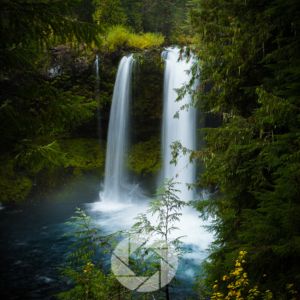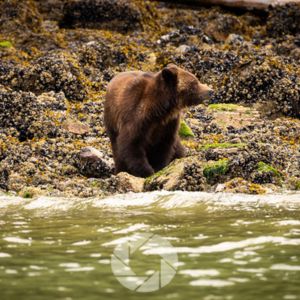
I’ve always loved those moments when the land feels bigger than me and quieter than thought. On some hikes, especially the ones where I’m wandering without a plan, I end up pointing my camera at things most people step right over.
Cracked riverbeds that look like ancient maps, sandstone swirls that resemble brushstrokes, or patches of lichen that remind me of galaxies.
That’s really what abstract landscape photography is for me. It’s the practice of slowing down enough to notice textures, shapes and patterns that aren’t competing for attention but are quietly holding the whole world together.
When you lean in close and treat texture as a subject, you start seeing the outdoors differently. You start to notice that the land is full of small stories that make the big ones possible.
I receive commissions from links in this post, thank you for your support
Abstract Landscape Photography: Seeing Earth’s Textures in a New Way
What Is Abstract Landscape Photography and Why Work With Earth Textures
When people hear the phrase abstract landscape photography, they often imagine images so distorted that you can’t tell what they are anymore. But abstraction doesn’t have to mean confusion.
For me, it’s about removing context so the viewer connects directly with the feeling of the scene rather than the literal location. Earth textures are perfect for this.
They’re everywhere in nature, and each one carries a personality: rough granite, powder-soft sand, ripple marks left by wind, the velvet of moss, the smooth sheen of wet stone.
Once you start paying attention, the land becomes a kind of abstract canvas. You see layers, patterns, colours and rhythms that you might have walked past a thousand times.
And those small details often carry just as much emotional impact as a sweeping mountain view.

Discover Your Next Journey – These Tours are designed for people who connect with light and landscape.
How to See Texture, Pattern and Form in the Landscape
When I’m out with my camera, I try to shift from “looking at” to “looking into.” That sounds small, but it’s a huge mindset change.
Instead of scanning the horizon for big subjects, I’m watching the ground, rocks, bark and sand for repeating patterns or strong lines. I’m noticing where shadows fall across rough surfaces, how colour changes with the light, and which areas feel like they have their own quiet energy.
The best way to find good textures is simply to slow down. Wander with curiosity. Get low, get close, walk around something twice. Abstract landscape photography textures don’t shout. They whisper. And you have to give yourself enough space to hear them.
Which Earth Textures Make Compelling Abstract Images
There are so many to choose from, but a few always catch my eye. Cracked mud after rain is one of my favourites. It has this beautiful balance of fragility and strength, with tiles that feel almost geometric.
I also love sandstone. The way water and wind carve it into soft curves and lines feels like the landscape has been painted over centuries. Then there’s lichen on boulders, which comes in countless colours: bright tangerine, dusty blue, even ghostly white.
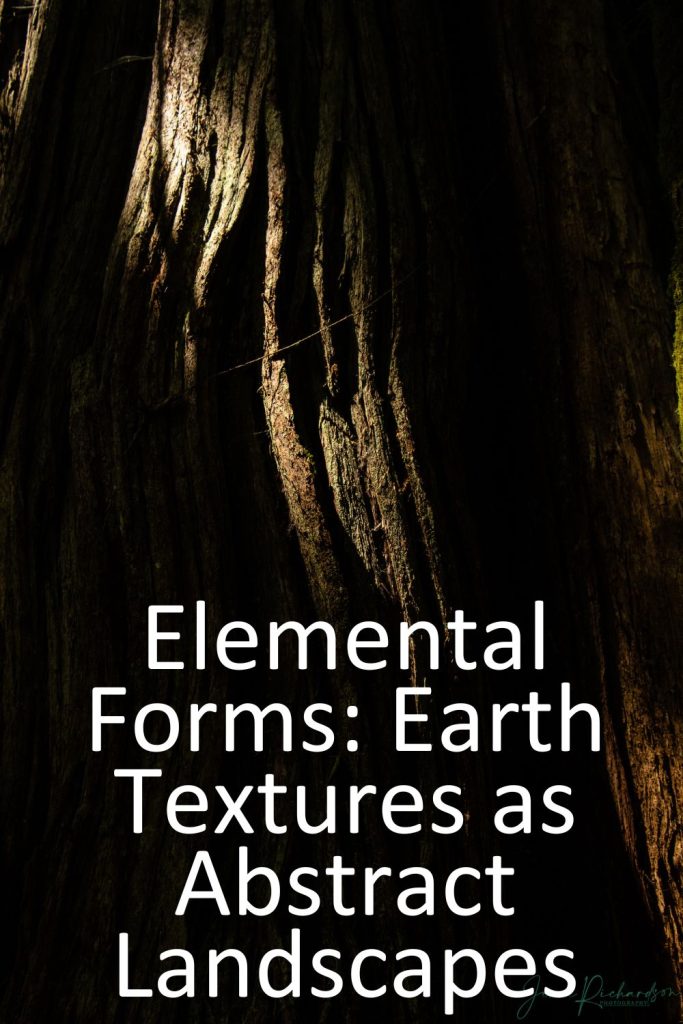
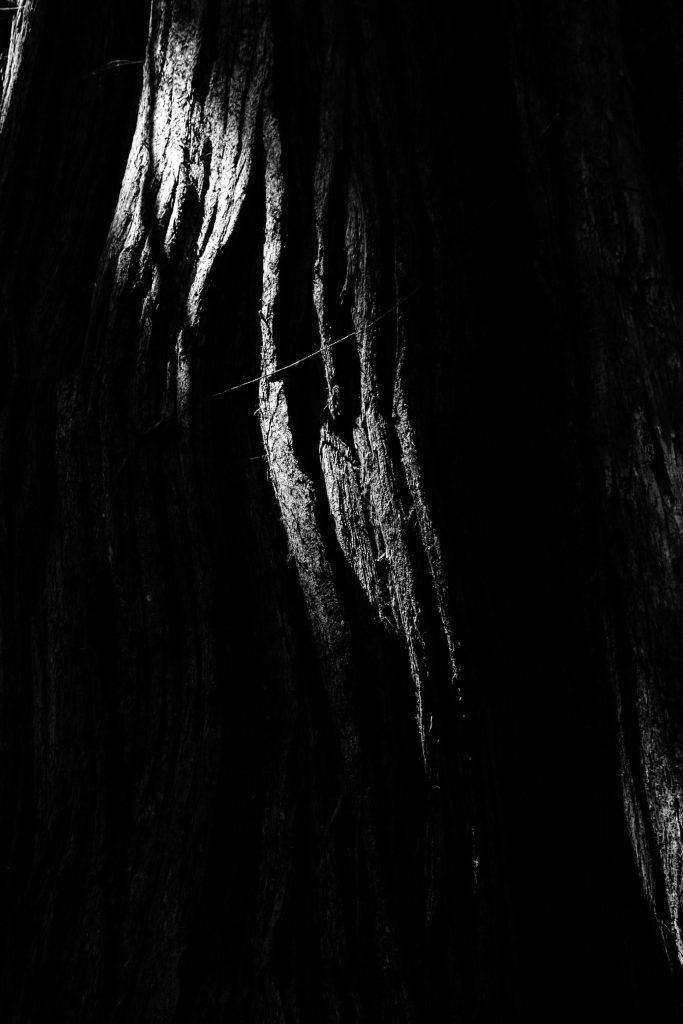
Bark is a classic for abstract nature photography, especially old-growth trees with deep grooves or peeling layers.
Rock faces, tide-carved formations, frost patterns on logs and the strange, braided shapes of desert shrubs all make incredible subjects when you start to see them for their lines and forms rather than what they literally are.




How Shape, Line and Minimalism Transform a Scene Into Abstract Art
Once you’ve found a texture that interests you, the next step is thinking about shape, line and minimalism.
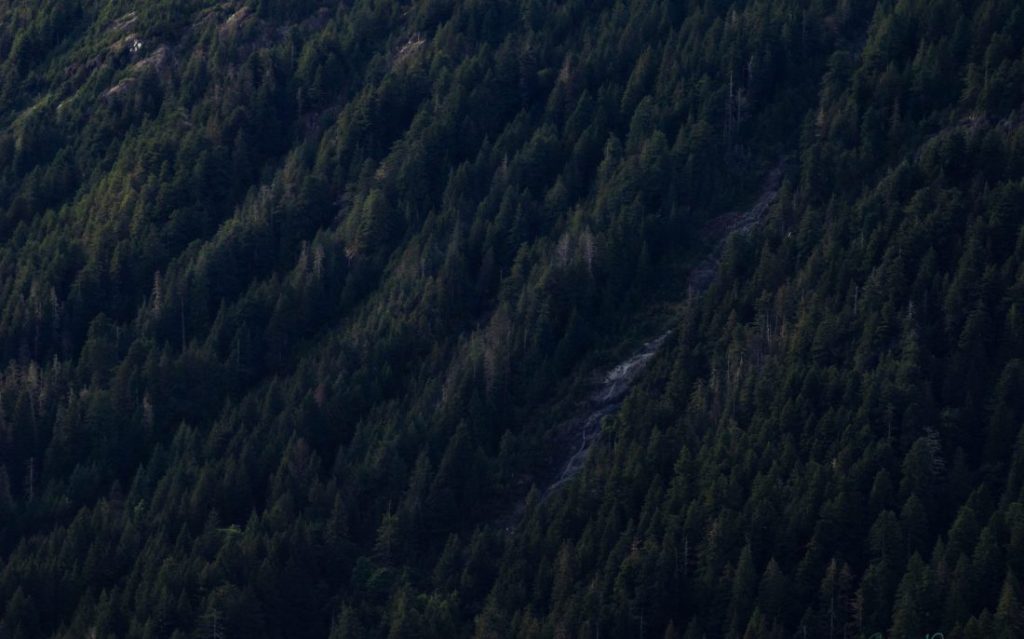
These are the building blocks of abstract landscape compositions. I often frame textures so they fill the entire image, removing horizon lines, trees or sky. That’s one of the easiest ways to create abstract nature forms in landscape photography: hide scale.
When there’s nothing to compare the subject to, the viewer has no choice but to focus on the lines, colors and mood.
Strong diagonals add movement. Curves create a sense of flow. Repetition creates harmony. And minimalism, especially in natural landscapes, gives you all the space you need to emphasize the essence of the subject rather than its place in the world.
Seeing the Land as an Abstract Canvas
This is where abstract photography becomes less about technique and more about presence. When you start viewing the land as an abstract canvas, everything becomes potential.
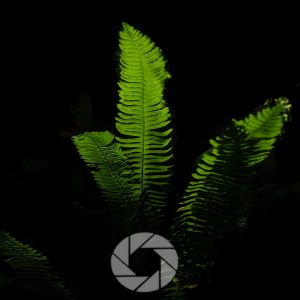
A patch of sand becomes a study in quiet waves. A dead leaf becomes a sculptural form. A fern becomes a constellation of shapes.
It’s a beautiful way to photograph because it teaches you to see the world with a sense of wonder again. And that sense of wonder deepens your connection to the land. Every texture becomes a reminder that the earth is full of stories we haven’t heard yet.
How Seasons and the Four Elements Influence Texture-Based Landscapes
One of the reasons I love abstract work is that seasons and the wheel of the year play such a huge role. Each season brings its own palette of earth textures.
Spring has soft moss, new greenery, tender bark and saturated colors.
Summer brings parched earth, sun-burnt textures, and bold shadows. Autumn shifts everything toward richer tones, curling leaves and moody patterns. Winter offers frost, ice, cracked surfaces and the stark lines of bare branches.
The four elements and four elements photography tie into this beautifully.
Earth is the foundation, obviously, with rock, soil and plant textures.
Water adds shine, reflection and softening.
Air shapes sand and snow into patterns through wind.
Fire shows up through light: warm tones at sunrise, burnt edges of foliage, or glowing color contrasts in golden hour.
Texture is one of the few photography subjects that invites all four elements to participate at once.
Lenses and Techniques for Highlighting Texture in Nature
A macro lens is a gift when photographing textures in nature. It lets you get close enough to reveal details most people never see. But you don’t need one.
A mid-range zoom, like a 24-105 or a 24-70, works beautifully too. Step closer, zoom in, and isolate patterns.
Aperture plays a big role. If I want full depth, I’ll go to f/11 or f/16 to keep the entire texture sharp. If I want soft edges, I’ll try f/4 or f/5.6. It depends on the mood I want.
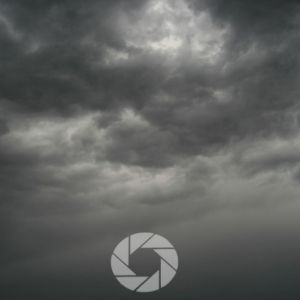
Light matters too. Overcast skies are fantastic for abstract landscape photography because the soft, even light reduces contrast and enhances detail.
Golden hour adds warmth and highlights ridges. Harsh midday sun creates strong shadows sometimes too harsh for portraits, but perfect for emphasizing lines.
How to Compose for Abstraction: Mood Over Literal Meaning
The best abstract compositions hide scale. When the viewer can’t tell how big the subject is, they start engaging with the image emotionally rather than literally.
I look for ways to crop out context. I’ll fill the frame with texture or use a shallow depth of field to simplify shape. Sometimes I’ll rotate the camera or the image to make the lines feel more harmonious.
Color theory plays a surprisingly big role here. Complementary colors can add energy; analogous colors can add calm. Texture itself becomes the story, and color becomes the emotional tone that supports it.
How Photographing Texture Deepens Your Connection to the Land
This is one of the quiet joys of abstract work. When you spend time paying attention to earth textures, you start to understand nature in a softer, more intimate way.
You’re no longer rushing to the viewpoint; you’re kneeling in the dirt, noticing tiny changes. You’re feeling wind patterns through sand. You’re seeing the elements and seasons as collaborators rather than conditions.
Abstract landscapes help you slow down. They help you reconnect with the land, the season, yourself. They remind you that every part of nature is worth honoring, not just the postcard views.
Practical Field Drills to Strengthen Your Abstract Vision
One thing I tell people on workshops is that learning abstract photography is like learning a new language. You need practice. Here are a few drills I use:
- Look for five textures within a 10-foot radius.
- Find repeating lines in three different materials: rock, bark, sand.
- Photograph a scene at three distances: macro, mid, and wider abstract.
- Create a frame with no sky, no horizon, no identifiable objects.
- Pick one colour and spend 20 minutes shooting only that colour in textures.
These drills sharpen your eye and help you shift from “finding a subject” to “receiving what the land offers.”
Posts for You
If you liked this post, check out these ones here:
- How to Photograph the Wheel of the Year
- Seasonal Color Palettes
- All Landscape Photographers are Pagan
Conclusion
Abstract landscape photography is one of the most satisfying creative practices I know. It teaches you to slow down, notice more, and connect with the hidden stories of the natural world.
Texture becomes its own universe, full of emotion and presence. And the more time you spend with these quiet details, the more grounded you feel in the landscape itself.
📸Learn for free!
➡️ FREE Wallpapers and Guides
➡️ DISCOUNTS on future Tours & Tutorials
➡️ TIPS for improving Your photography

You can unsubscribe at anytime.
- Abstract Landscape Photography: Seeing Earth’s Textures in a New Way
- What Is Abstract Landscape Photography and Why Work With Earth Textures
- How to See Texture, Pattern and Form in the Landscape
- Which Earth Textures Make Compelling Abstract Images
- How Shape, Line and Minimalism Transform a Scene Into Abstract Art
- Seeing the Land as an Abstract Canvas
- How Seasons and the Four Elements Influence Texture-Based Landscapes
- Lenses and Techniques for Highlighting Texture in Nature
- How to Compose for Abstraction: Mood Over Literal Meaning
- How Photographing Texture Deepens Your Connection to the Land
- Practical Field Drills to Strengthen Your Abstract Vision
- Posts for You
- Conclusion
- FAQ
- 📸Learn for free!
FAQ
An abstract landscape relies on texture, shape, line, colour or pattern rather than a recognizable scene or horizon. You’re giving the viewer something to feel rather than something to identify.
A mid-range zoom or a macro lens is ideal. Mid-range helps you isolate patterns in rock, sand or foliage; macro lets you work with fine textures in bark, ice, lichen or cracked earth.
Slow down and look for repeating lines, contrasting colours, or interesting surfaces. Overcast light is perfect for texture because it removes harsh shadows and keeps the detail soft and even.
References
- Digital Photography School. “How to Photograph Abstract Nature and Outdoor Textures.”
- Nature Photographers Network. “Exploring Patterns, Texture and Form in the Natural World.”