

There’s something irresistible about the American Southwest. The light has a way of carving shadows into poetry; the sandstone glows like embers at dawn; the silence feels ancient and alive.
It’s a place where you can stand on the edge of a canyon, watch the world turn gold, and feel something shift inside you.
This guide covers the best landscape photography locations in the Southwest, tips for each state, hidden gems, seasonal suggestions, and even a section to help you plan your own photography road trip.
I receive a small commission from links in this post, thank you for your support
A Photographer’s Guide to Desert Light, Timeless Stone, and Sacred Spaces
Why the Southwest Is a Landscape Photographer’s Dream
The Southwest is a playground of shape, color, texture, and story. Red rock canyons, vast open desert, slot canyons streaked with reflected light, arches carved by wind, hoodoos rising like time-worn statues: every direction feels like stepping into another world.
The quality of light is what keeps me coming back. Shadows stretch long, highlights glow warm, and the low-angle sun adds drama even in the simplest scenes.
Beyond beauty, the Southwest invites a deeper experience. The land is shaped by elemental forces such as earth, air, fire, and water. You can feel those forces not just visually, but emotionally.
It’s a place where the land teaches patience; where long exposures match the slow pulse of the desert; where silence gives space to your creative mind.
Map of the Best Landscape Photography Locations in the Southwest
You can create your own digital map with pins for each state, then save it for planning your next road trip. Search for “best landscape photography locations in the Southwest map” and add National Parks, overlooks, trailheads, and scenic drives.
Or join one of my Phoenix-area landscape tours where I guide photographers to the most photogenic locations depending on season, weather, and light.

Discover Your Next Journey – These Tours are designed for people who connect with light and landscape.
Southwest Photography Gear to Bring
- Sturdy Tripod
- Zoom (Canon 24-105mm)
- Long Range Zoom (100-500mm)
- Wide Angle (Rokinon 14mm)
- Remote Trigger (or use in Camera timer)
- Lens Cloths
- Dust Blowers
- Camera cover for blowing dust and sand
- ND Filters
- Polarizer
Best Arizona Photography Locations: From the Grand Canyon to Antelope Canyon
Arizona is where I spend much of my time, and it feels like an endless source of inspiration.
Grand Canyon National Park
The Grand Canyon is one of the best landscape photography locations in the Southwest simply because of its scale. Sunrises paint the canyon walls in soft pink and gold, while sunsets deepen the reds and blues until shadows swallow the shapes.
If you want depth, atmosphere, and timelessness, this is your place.
My Recommendations:
• Use a telephoto lens to isolate layers and abstract the canyon’s depth
• Sunrise offers cleaner air; sunset offers more dramatic color
• Winter adds snow-dusted ridges, making it one of the most magical times to shoot
Antelope Canyon and Canyon X (and Nearby Slot Canyons)

Antelope Canyon is like stepping into a cathedral carved by water. Light beams filter through narrow openings, painting the walls with warm gold and deep violet tones.
Folks also can see the not as busy Canyon X, named so because of the ‘X’ shape formed by the canyon walls that can be seen if you look up.
My Recommendations:
• Midday is best for light beams
• A guide is required; choose a photography-focused tour
• Bring a wide lens for sweeping lines
Sedona

Red rock country glows at every hour. Sedona is a lesson in fire and earth: warm tones, dramatic cliffs, and endless compositions.
My Recommendations:
• Sunrise at Cathedral Rock
• Sunset at Airport Mesa
• Look for backlit vegetation for magical flare effects
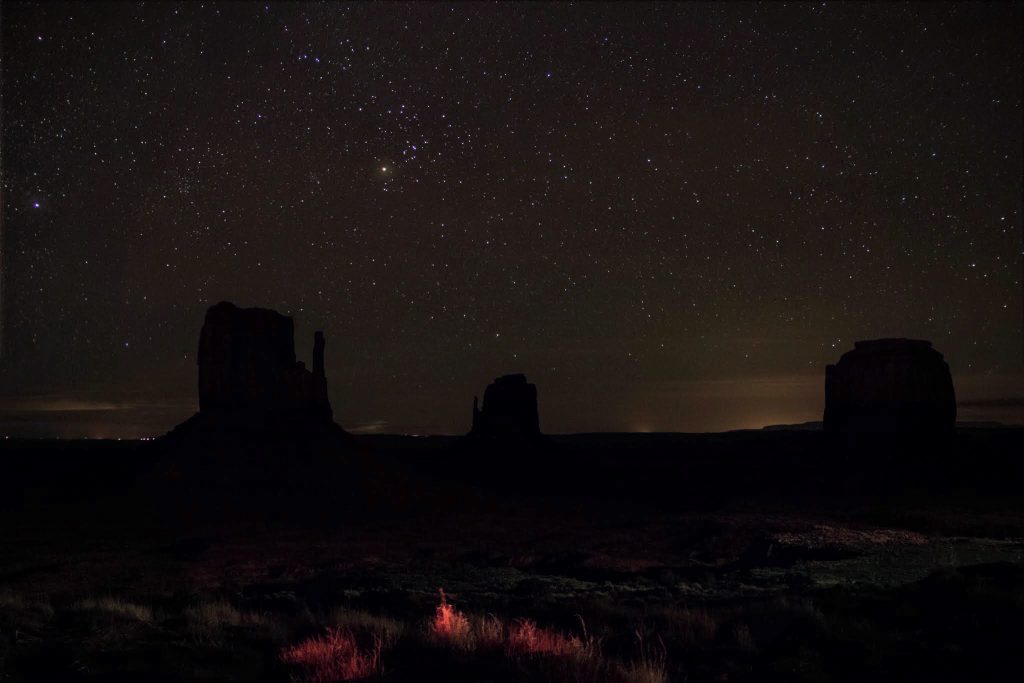
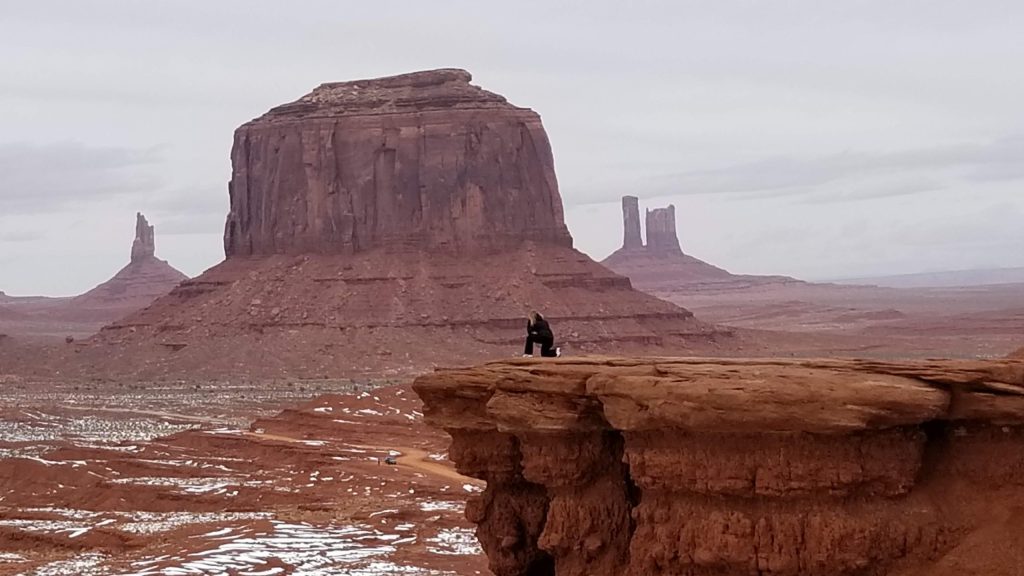
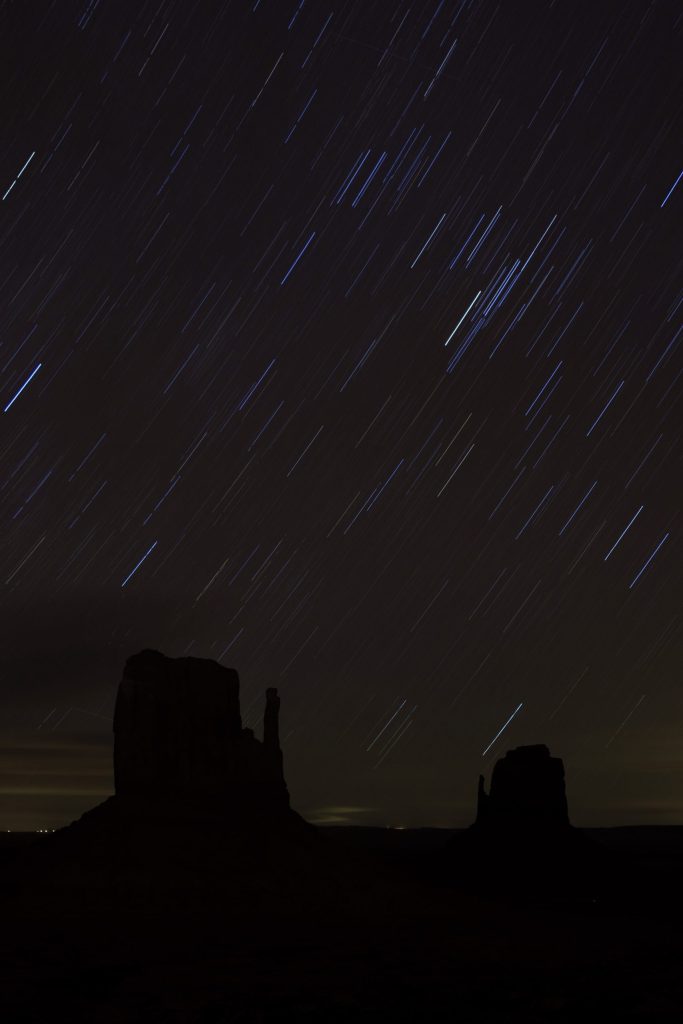
Monument Valley
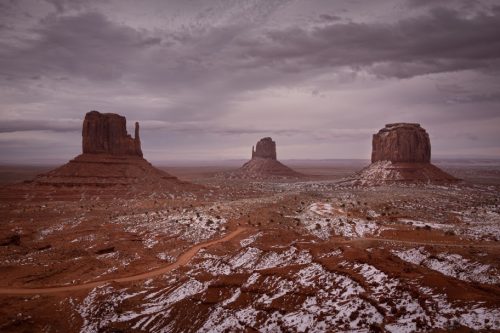
Photographing Monument Valley is about scale and light. Wide-angle lenses allow you to include the grandeur of the buttes and sweeping desert floor, while telephoto lenses isolate details, compress layers of mesas, or highlight shafts of light breaking through clouds.
My Recommendations:
- I avoid the midday glare; early morning and late afternoon bring softer, more forgiving light that lets the buttes show off their shape and color.
- Roads and sandy trails naturally lead the eye toward the formations; adding sagebrush or desert textures in the foreground gives wide-angle shots more depth.
- Patience pays off; the sky shifts constantly, clouds drift in and out, and the same viewpoint can feel completely different just a few hours later.
- This landscape feels tied to Air; the movement of wind and clouds and the wide desert sky bring the whole valley to life.



Utah’s Wild Beauty: Arches, Hoodoos, and Red Rock Light
Utah is where landscapes start to feel otherworldly. Arches, spires, canyons, and rimrock stretch across miles of rugged terrain.
Arches National Park
Home to more than 2,000 arches, this is one of the most iconic places to create Southwest landscape photos. Every arch is shaped by time, wind, and the patient force of erosion.
My Recommendations:
• Sunset at Delicate Arch is iconic for a reason
• Balanced Rock glows beautifully at blue hour
• Carry a mid-range zoom to adapt quickly
Bryce Canyon National Park
Hoodoos rise like a forest of stone. Sunrise is the best time to shoot here because the amphitheater catches the first light of day and ignites in orange and red.
My Recommendations:
• Use a telephoto lens to isolate repeating formations
• Overcast days are perfect for detail shots
• Winter light creates softer, pastel scenes
Zion National Park
The canyon walls in Zion are towering sculptures of crimson sandstone. Water, sky, and stone combine to create some of the most dramatic scenery in the Southwest.
My Recommendations:
• Canyon Overlook is a must for sunrise
• Watch for reflected canyon light midday
• Hike the Narrows for unique water + canyon compositions


New Mexico’s Surreal Scenes: White Sands, Shiprock, and Bisti Badlands
New Mexico holds its own among the best landscape photography locations in the Southwest. It’s a land of dreamlike textures and quiet solitude.
White Sands National Park
Endless dunes of gypsum sand create minimalist, ethereal compositions. As the sun drops, shadows deepen into sapphire and lavender.
My Recommendations:
• Sunset is the best time for long shadows and rich color
• Overcast days create soft, glowing tones
• A polarizer helps control glare on the bright sand
Shiprock
A sacred volcanic formation rising from the desert floor, Shiprock feels mythic and powerful. This is one of the most impressive geological formations in the region.
My Recommendations:
• Shoot from multiple distances to tell a story of scale
• Golden hour washes the rock in warm tones
• Respect the land and cultural boundaries
Bisti Badlands
Alien rock formations, cracked earth, and bizarre shapes make Bisti one of the most unusual places to photograph in the Southwest.
My Recommendations:
• Overcast days are ideal for texture-focused images
• Bring a GPS; navigation can be tricky
• Blue hour adds a moody, cinematic atmosphere
Hidden Gems and Lesser-Known Visual Treasures
The Southwest isn’t just national parks. Some of the most rewarding locations are tucked away beyond the tourist flow.
• Alstrom Point (Utah): Panoramic views of Lake Powell
• Valley of the Gods (Utah): A quieter Monument Valley
• Chiricahua National Monument (Arizona): Giant stone pillars and volcanic history, astrophotography amongst giant stone towers
These locations reward photographers who value quiet exploration and fresh perspectives.
Seasonal Photography in the Southwest
The desert changes dramatically with the seasons.
• Winter: Snow-dusted red rock; clearer air; softer light
• Spring: Flowers and ephemeral streams
• Summer: Storm season means dramatic clouds, monsoon lightning, perfect bad weather photos
• Autumn (starting in October): Cooler temps, golden cottonwoods in river canyons
Understanding seasonal cycles deepens your images and improves your storytelling.
Respecting Sacred Landscapes and Practicing Eco-Conscious Photography
The Southwest is home to Indigenous nations whose history and cultural presence run deep. When photographing, stay aware of sacred spaces, protected lands, and cultural significance.
• Stay on marked trails
• Do not climb or enter restricted areas
• Learn the cultural context
• Practice Leave No Trace
Planning Your Own Southwest Photography Road Trip
If you’re planning your dream trip, think about:
• Seasons and weather
• Timing of sunrise/sunset
• Driving distances
• Light direction for each location
• Gear protection from dust and heat
You don’t need to rush. Pick fewer locations and explore them deeply. The Southwest rewards curiosity.
Posts for You
If you liked this post, check out these ones here:
- Monument Valley Photography
- Share Locations Responsibly
- How to photograph popular places
- AI and Landscape Trip Planning
Conclusion
The Southwest isn’t just a collection of iconic viewpoints; it’s a living, breathing landscape that invites connection, reflection, and creativity. If you want to discover these places with guidance, company, and a slower pace, my Phoenix-area tours are designed to bring you closer to the land and the light that shapes it.
The desert teaches patience. It rewards presence. And it offers endless inspiration for photographers who meet it with respect, awe, and an open heart.
Feel free to reach out if you want help planning your trip or if you’re curious about joining a guided shoot.
- A Photographer’s Guide to Desert Light, Timeless Stone, and Sacred Spaces
- Why the Southwest Is a Landscape Photographer’s Dream
- Map of the Best Landscape Photography Locations in the Southwest
- Southwest Photography Gear to Bring
- Best Arizona Photography Locations: From the Grand Canyon to Antelope Canyon
- Monument Valley
- Utah’s Wild Beauty: Arches, Hoodoos, and Red Rock Light
- New Mexico’s Surreal Scenes: White Sands, Shiprock, and Bisti Badlands
- Hidden Gems and Lesser-Known Visual Treasures
- Seasonal Photography in the Southwest
- Respecting Sacred Landscapes and Practicing Eco-Conscious Photography
- Planning Your Own Southwest Photography Road Trip
- Conclusion
- FAQs
- Posts for You
FAQs
Late fall through early spring offers the best combination of cooler temperatures, dramatic light, and stable weather. Winter adds snow-dusted red rock, while spring brings wildflowers and softer air quality.
A week is ideal if you want to visit multiple states. If you’re focusing on just one area like Page, Moab, or Sedona, even three to four days can give you enough time to explore sunrise, sunset, and a few hidden gems.
A wide lens, mid-range zoom, and telephoto are enough for most desert scenes. Add a sturdy tripod, microfiber cloths for dust, extra water, and a UV or clear filter to protect your front element from sand and grit.
Some tribal lands, slot canyons, and commercial-use areas require photography permits or guided access. Always check ahead and respect local regulations and cultural guidelines.
References
- National Park Service. “American Southwest Parks & Photography Resources.”
- Digital Photography School. “How to Photograph Desert Landscapes: Light, Gear, and Composition Tips.”