
Editing isn’t just about pixels; it’s about revealing feeling. The most powerful photographs don’t just show what something looked like. They let people feel what it was like to be there.
Whether it’s the chill of morning fog, the warmth of golden hour, or the calm stillness before rain, editing photos with emotion transforms an image from documentation into experience.
In this post, we’ll explore how to edit for emotional impact, how to balance color, tone, and contrast with intention while keeping your edits authentic, intuitive, and connected to the landscape.
Why Edit Photos with Emotion (Not Just for Perfection)?
When we chase technical flawlessness, we risk stripping away the rawness that makes a photograph resonate. Editing for emotion means asking not what the scene looked like, but how it felt.
Think of it as translating energy. You’re not recreating reality, instead you’re revealing your relationship with it. Editing becomes an act of interpretation, not imitation.
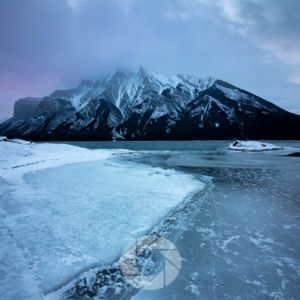
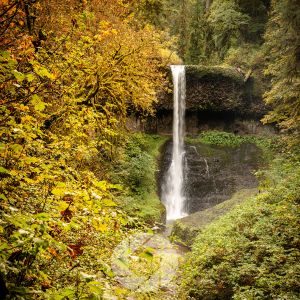
This is especially true in landscape photography, where emotion often lives in subtleties such as the weight of cloud cover, the cool blue of shaded snow, or the golden tones of fall. These nuances are where connection happens between the photographer and their audience.

Discover Your Next Journey – These Tours are designed for people who connect with light and landscape.
How Do You Define the Feeling You Want Your Image to Convey?
Before you open Lightroom or Photoshop, pause. Revisit the memory of the moment. What did you feel when you pressed the shutter? Peace? Wonder? Sadness? Anticipation?
Your photo editing mood and vision will be influenced by your environment, mood, and how you perceive your editing. If you felt stillness, your tones might lean soft and cool. If you felt awe, you might boost contrast to capture the drama of light.
Try journaling short notes alongside your images with words like calm, mystery, renewal. These cues can guide your color and tonal choices later, keeping your edits emotionally consistent.
What Is Your Mood & Vision Before You Touch the Sliders?
Every edit begins with intention. Instead of diving into adjustments, take a moment to visualize the mood. This mindful photo editing practice anchors your choices in feeling rather than habit.
Ask yourself:
- What is the emotional temperature of this scene, is it warm, cool, neutral?
- Where do I want the viewer’s eyes to rest first?
- What elements carry the story: the light, the texture, or the shadow?
- What is the most powerful element in the scene – Earth, Air, Water, Fire, or what combination of elements are most influential in establishing the mood?
When you define your vision early, every slider becomes purposeful.
📸Learn for free!
➡️ FREE Wallpapers and Guides
➡️ DISCOUNTS on future Tours & Tutorials
➡️ TIPS for improving Your photography
You can unsubscribe at anytime.
Which Editing Tools Shape the Mood: Color Grading, Contrast, or Exposure?
Once your emotional direction is set, it’s time to shape it through technique. Here’s how different tools affect mood:
- Exposure and contrast: Lower contrast creates softness and calm; high contrast adds tension or vitality.
- Color grading for emotion in photography: Warm tones (reds, oranges) evoke passion and comfort; cool tones (blues, greens) communicate solitude or serenity.
- Highlights and shadows: Lifting shadows can feel inviting; deepening them adds mystery.
- Clarity and texture: Soften to evoke dreaminess; increase for grit and realism.
Editing workflow with emotional intent means knowing when to stop. You’re not fixing flaws, you’re guiding the viewer through a feeling.
How Do You Trust Your Intuition When Editing?
Photography is technical, but emotion is instinctive. Your best edits often come from instinct rather than calculation. The challenge is to trust that.
Try this: after finishing your technical adjustments, sit back and feel the image. Does it stir anything in you? If not, step away. Revisit it later with fresh eyes and let intuition lead.
Trusting your editing intuition means letting your emotional memory guide your adjustments. It’s the difference between an edit that looks right and one that feels right.
How to Preserve the Authenticity of Your Subject While Still Enhancing Impact
Authenticity anchors emotion. It’s easy to overedit in pursuit of drama but when you do, the emotional truth starts to fade.
Preserving authenticity while editing isn’t about avoiding enhancement; it’s about respect. Stay true to the light’s natural direction, the season’s palette, and the land’s integrity. Editing isn’t about adding emotion, it’s about uncovering the one that’s already there.
To preserve authenticity:
- Compare your edit to your memory, not just your RAW file.
- Avoid exaggerating skies or colors beyond what feels believable.
- Remember: real emotion doesn’t need to shout.
How Can Editing Reflect the Seasons, Elements, and Your Connection to Nature?
Nature itself is emotional and your editing can echo that.
- Earth offers grounding tones: muted browns, mossy greens, soft neutrals that calm the frame.
- Air carries clarity: bright highlights, misty whites, gentle contrast for openness.
- Fire is intensity: bold reds and deep oranges for warmth and vitality.
- Water is flow: smooth gradients, reflective blues, and subtle cool shadows for tranquility.
Editing with nature and seasons in mind transforms a photograph into something cyclical and alive. It’s not about replication: it’s about resonance.
When you embrace the seasonal mood of your imagery, each edit becomes a reflection of time’s passage and your relationship with the world around you.
What’s the Workflow for Outdoor and Landscape Photographers Seeking Emotional Depth?
A practical editing workflow for outdoor photographers blends technical precision with creative flow. Here’s a balanced approach:
- Foundation: Correct exposure, lens distortion, and white balance. Keep it neutral.
- Mood shaping: Adjust color temperature and contrast to match emotional tone.
- Directional light: Use dodge and burn subtly to guide the eye.
- Texture and clarity: Add only as needed because less is more.
- Final review: Step away, then view it as a story, not a file. Does it still feel true?
Emotion-led editing is slower, more deliberate. It asks you to engage with the image the way you did with the landscape: patiently, curiously, reverently.
How Do You Build a Signature Emotional Editing Style?
Developing a signature emotional style in edits doesn’t mean repeating the same color palette: it means expressing a consistent emotional truth.
Ask: What feeling do I want people to associate with my work? Calm? Wonder? Stillness? Awe? Once you know, shape your editing choices around that emotional core.
Your color tones, contrast levels, and compositions will naturally align into a recognizable visual voice. Consistency in feeling, not technique, is what defines your style.
Why Editing Isn’t Just Technique
At its heart, editing photos with emotion is about presence. It’s not a race to polish; it’s a meditation on what the land gave you.
When you sit down to edit, bring the same mindfulness you had while shooting. Breathe. Remember where you stood. Let that memory inform your adjustments.
This editing with purpose beyond perfection keeps you connected to your work, your viewer, and the natural world that inspires you.
How to Bridge the Viewer, the Subject, and the Landscape Through Your Edits
When you edit photos for connection, you’re building emotional pathways. A cold mountain scene can feel comforting if edited with warmth; a soft forest can feel mysterious with deeper tones. Your goal isn’t to manipulate, it’s to translate.
In doing so, you invite your audience into your experience, reminding them that they, too, are part of the same landscape.
Conclusion
Editing isn’t an afterthought: it’s an extension of the moment. Through tone, color, and restraint, you give shape to emotion and share your connection with the earth.
To evoke emotion through photo editing is to honor what’s real: the light, the land, and the feeling that first moved you to lift your camera.
- Why Edit Photos with Emotion (Not Just for Perfection)?
- How Do You Define the Feeling You Want Your Image to Convey?
- What Is Your Mood & Vision Before You Touch the Sliders?
- Which Editing Tools Shape the Mood: Color Grading, Contrast, or Exposure?
- How Do You Trust Your Intuition When Editing?
- How to Preserve the Authenticity of Your Subject While Still Enhancing Impact
- How Can Editing Reflect the Seasons, Elements, and Your Connection to Nature?
- What’s the Workflow for Outdoor and Landscape Photographers Seeking Emotional Depth?
- How Do You Build a Signature Emotional Editing Style?
- Why Editing Isn’t Just Technique
- How to Bridge the Viewer, the Subject, and the Landscape Through Your Edits
- Conclusion
- 📸Learn for free!
References
- Adobe Blog – Editing for Emotional Impact in Photography
- DepositPhotos – Color Psychology in Photo Editing
- Digital Photography School – How to Convey Emotion Through Post-Processing
- Nature TTL – Mindful Editing Practices for Landscape Photographers
- On Landscape – Emotional Storytelling in Landscape Photography