
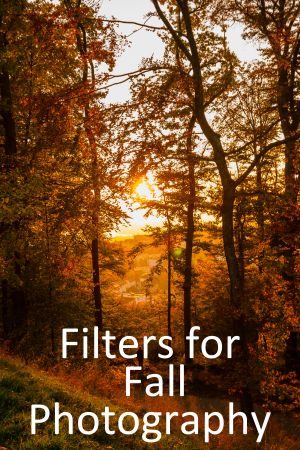
Whether you are photographing fall leaves glowing in morning sunlight, waterfalls surrounded by golden foliage, or quiet reflections beneath a canopy of red maples, understanding how and when to use fall photography filters can help elevate your images while remaining true to the landscape itself
While strong compositions and beautiful light remain the foundation of great images, filters for fall photography can help reveal details, colors, and moods that are difficult to capture without them.
Rather than manipulating nature, filters allow us to better interpret what we see and experience in the field.
Polarizers, ND Filters, And Beyond
Fall has a way of slowing us down. The intense pace of summer begins to fade, the days grow shorter, and the landscape shifts into one of the most colorful periods of the year.
It’s no surprise that many photographers consider fall their favorite season. The combination of rich color, changing weather, soft light, flowing water, and misty mornings creates endless opportunities for creative landscape photography.

Why Fall Is The Perfect Season To Explore Camera Filters
Fall presents photographers with a unique combination of visual challenges and opportunities.
Wet leaves create glare. Streams and waterfalls become more prominent after seasonal rains. Forests fill with subtle light and shadow. Morning fog drifts across valleys and wetlands. Color becomes one of the dominant visual elements in the landscape.
Camera filters for landscape photography help us manage these conditions intentionally.
A well chosen filter can:
- Reduce unwanted reflections
- Reveal deeper autumn colors
- Control shutter speeds for creative effects
- Add atmosphere and mood
- Help balance bright and dark areas of a scene
More importantly, filters encourage us to slow down and think carefully about how we want to interpret a landscape rather than simply documenting it.
Quick Filter Settings Guide
| Situation | Recommended Filter | Typical Settings |
|---|---|---|
| Autumn leaves after rain | Circular Polarizer | f/8 to f/11; ISO 100 |
| Reflections in ponds and lakes | Circular Polarizer | f/11; ISO 100 |
| Waterfalls with moderate blur | 3 Stop ND | 1/4 to 1 second |
| Silky waterfalls | 6 Stop ND | 1 to 5 seconds |
| Abstract moving water | 10 Stop ND | 10 to 60 seconds |
| Foggy woodland scenes | Black Pro Mist 1/4 or 1/8 | f/8; ISO 100 to 400 |
| Backlit autumn forests | Diffusion Filter | f/8 to f/16 |
My Free Fall Photography Fundamentals guide walks you through everything you need to capture not just images, but the true spirit of the season.
Free Guide: Your Best Fall Photos Yet!
You can unsubscribe at anytime. I don’t share your information from this form with anyone.
What Are The Most Useful Filters For Fall Photography?
If you are building a filter kit for autumn landscapes, three filters stand above the rest: the Circular Polarizer (CPL), the Neutral Density (ND) filter, and the Mist or Diffusion filter.
Each serves a different purpose and helps solve unique visual challenges in the landscape. Understanding when to use each one will allow you to work more intentionally and create images that better reflect your experience in the field.
Benefits Of A Polarizing Filter
A circular polarizer can dramatically improve autumn landscapes by reducing unwanted reflections and glare. This often reveals deeper reds, oranges, and yellows hidden beneath the shiny surfaces of wet leaves.
It can also increase contrast, improve texture in bark and foliage, reduce reflections on water, and even allow you to see beneath the surface of shallow streams and ponds.
The effect is particularly noticeable after rain, when much of the landscape is coated in moisture.
How To Use A Polarizing Filter In Fall Photography
For the best results, position yourself roughly ninety degrees from the sun and slowly rotate the filter while observing the scene through your viewfinder or LCD screen.
Pay attention to how reflections increase or decrease as you turn the filter. It is important to avoid over-polarizing a scene, particularly when using wide angle lenses, as this can create uneven darkening in the sky. The goal is not to maximize the effect but to create an image that feels natural and true to the experience of standing there.
When Should You Remove Your Polarizer?
Although a polarizer is one of the most useful filters for landscape photography, there are times when it should be removed. If light levels become very low, the filter may unnecessarily reduce the amount of light reaching your sensor.
You may also want to remove it when photographing reflections that are an important part of the composition or when the scene contains few reflective surfaces. Like any creative tool, a polarizer works best when used thoughtfully rather than automatically.
Typical Uses For ND Filters
Neutral Density filters are especially valuable when photographing moving water. They work exceptionally well for waterfalls, streams, rivers, wetlands, and other scenes where motion contributes to the story of the landscape.
By reducing the amount of light entering the lens, ND filters allow photographers to use slower shutter speeds that transform moving water into soft, flowing forms while keeping surrounding rocks, trees, and autumn foliage sharp.
How To Use ND Filters For Waterfalls And Streams
When photographing waterfalls or streams, begin by finding your composition and focusing normally. Once your composition is established, attach the ND filter and adjust your shutter speed until the water appears as you envision it.
Sometimes that means preserving texture and detail in the water. Other times it means creating silky ribbons of movement that emphasize the passage of time. The right choice depends on the mood you wish to convey and the story you want the photograph to tell.
Common ND Filter Strengths
Many photographers wonder which ND filter strength they should purchase first. A three stop filter is excellent for creating subtle motion blur while maintaining detail in moving water.
A six stop filter offers a stronger effect and is often considered the most versatile option for landscape photography.
A ten stop filter allows for very long exposures and can create highly abstract interpretations of water and clouds. There is no universally correct choice; each strength simply offers different creative possibilities.
What Mist Filters Do
Mist and diffusion filters alter the character of light rather than controlling reflections or exposure. They soften highlights, reduce contrast, create a gentle glow around bright areas, and introduce a sense of atmosphere into an image.
Depending on the strength of the filter, the effect can be subtle and almost imperceptible or much more pronounced and cinematic.
When Mist Filters Work Best
Mist filters are particularly effective in autumn forests, where shafts of light, fog, backlit leaves, and layered woodland scenes create naturally atmospheric conditions.
They can soften bright highlights and enhance the feeling of depth and mood without overwhelming the image.
When used thoughtfully, they help create photographs that feel less like documentation and more like memories or emotional experiences.
Common Filter Mistakes Beginners Make
One of the most common mistakes beginners make is leaving a polarizer attached to the lens at all times. Others use excessive polarization, choose ND filters that are stronger than necessary, or forget to keep their filters clean.
Some photographers also use filters without understanding the specific problem they are trying to solve. The most effective use of filters comes from understanding both their strengths and their limitations.
Learning To See Light Before Reaching For A Filter
Before attaching any filter, spend time studying the landscape itself. Notice where the light is coming from, how it interacts with leaves and water, and how shadows influence the mood of the scene.
Pay attention to reflections, textures, weather conditions, and color relationships. Often the landscape will reveal what is needed before you ever reach into your camera bag.
Developing this habit will improve your photography far more than any piece of equipment.
Mindful Landscape Photography And The Art Of Observation
Mindful landscape photography begins long before the shutter is pressed. It starts with presence.
Filters can support that presence, but they cannot replace it.
A photographer who understands light, weather, and seasonal rhythms will consistently create stronger images than someone relying solely on gear.
Autumn rewards patience. It rewards observation. It rewards photographers willing to slow down and notice what others rush past.
Posts for You About Fall
- Fall Photography Peak Foliage Timing and Planning
- Fall Photography in any Weather
- Fall in Oregon
- Fall Larch Hunt in Kananaskis Country, Alberta
- Colorado Fall Photography
- Fall Editing Tips
- Black and White Fall Photography
- Reflections in Fall Photography
- Unique Fall Angles
- Fall Photography Filters
The Four Elements And The Art Of Filter Selection
Photography and the four elements offer an interesting way to think about filter use.
The polarizer works closely with Water by controlling reflections and revealing hidden detail.
ND filters connect Water and Time, transforming movement into visual storytelling.
Mist filters align with Air, softening light and enhancing atmosphere.
Meanwhile the rich colors of autumn leaves remind us of Fire and Earth working together through seasonal change.
Seen this way, filters become more than technical accessories. They become tools for interpreting the relationships that already exist within the landscape.
Conclusion
The best filters for fall photography are not the ones that create the most dramatic effects. They are the ones that help you see the landscape more clearly and express what drew you to the scene in the first place.
Whether you are photographing autumn colors, waterfalls, reflections, or misty forests, filters can help reveal aspects of the landscape that might otherwise remain hidden. They allow us to reduce distractions, emphasize atmosphere, and translate our experience into something meaningful.
- Polarizers, ND Filters, And Beyond
- Why Fall Is The Perfect Season To Explore Camera Filters
- Quick Filter Settings Guide
- What Are The Most Useful Filters For Fall Photography?
- Benefits Of A Polarizing Filter
- How To Use A Polarizing Filter In Fall Photography
- When Should You Remove Your Polarizer?
- Typical Uses For ND Filters
- How To Use ND Filters For Waterfalls And Streams
- Common ND Filter Strengths
- What Mist Filters Do
- When Mist Filters Work Best
- Common Filter Mistakes Beginners Make
- Learning To See Light Before Reaching For A Filter
- Mindful Landscape Photography And The Art Of Observation
- The Four Elements And The Art Of Filter Selection
- Conclusion
- FAQs
- Posts for You About Fall
FAQs
No. Strong composition and light matter more than filters. However, filters can solve specific problems such as glare, reflections, and long exposure control that are difficult to replicate naturally in editing.
For most landscape photographers, a circular polarizer is the single most useful filter because it enhances fall colors naturally while reducing glare from wet leaves, streams, and reflective surfaces.
A 6 stop ND filter is often the most versatile option. It allows meaningful long exposures of waterfalls and streams without requiring extremely long shutter speeds.
Yes. Mist filters can add atmosphere and soften highlights, particularly in woodland, fog, and backlit scenes. They are most effective when used subtly.
Editing can replicate some effects, but it cannot fully remove glare from water or create genuine long exposure motion blur after the image has been captured.
References
- The Landscape Photography Workshop
- The Art, Science, and Craft of Great Landscape Photography
- B+W Filter Photography Academy