
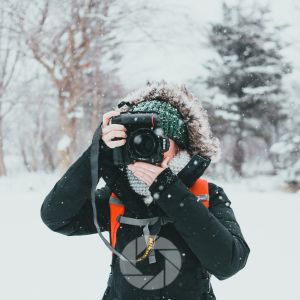
Having the right winter photography gear can make the difference between ending your day inspired or cutting your trip short because your batteries died, your hands froze, or your camera became coated in condensation.
Winter is one of the most rewarding seasons for landscape photography, but it also demands preparation.
This cold weather photography gear checklist is designed to help beginner and intermediate photographers pack confidently, protect their equipment, and spend more time creating meaningful photographs instead of solving preventable problems.
Preparation is not about expecting the worst. It is about respecting winter’s power so you can fully appreciate its quiet beauty.
There is no such thing as bad weather, only unsuitable clothing
One of the most common questions beginners ask is, “What gear do you need for winter photography?”
The answer is often simpler than many people expect. The best winter photography equipment is not necessarily the newest or most expensive. Instead, it is equipment that allows you to stay warm, work safely, and confidently photograph winter landscape photography conditions.
Winter Photography Essentials Checklist
| Category | Winter Photography Gear |
|---|---|
| Camera Equipment | Camera body |
| Lenses | Wide-angle lens for expansive landscapes |
| Lenses | Telephoto lens for isolating distant subjects |
| Power | Plenty of fully charged spare batteries |
| Storage | Extra memory cards |
| Stability | Sturdy tripod |
| Filters | Circular polarizing filter |
| Accessories | Remote shutter release |
| Weather Protection | Rain or snow cover |
| Lens Care | Microfiber lens cloths |
| Storage | Camera backpack |
| Clothing | Layered winter clothing |
| Footwear | Insulated waterproof boots |
| Hand Protection | Warm photographer gloves |
| Comfort | Hand warmers |
My Free Winter Landscape Photography Guide walks you through everything you need to capture not just images, but the true spirit of the season.
Free Guide: Your Best Winter Photos Yet!
Unsubscribe at anytime. I don’t share your information from this form with anyone.
Why Cold Weather Is Hard On Camera Equipment
Cold weather photography gear experiences challenges that simply do not exist during warmer months.
Low temperatures reduce battery performance, snow introduces moisture, and moving between freezing outdoor temperatures and warm buildings creates condensation that can damage sensitive electronics if handled incorrectly.
Fortunately, most of these problems are easy to prevent with good habits and a little planning.
What Camera Gear Should Be In Every Winter Photography Bag?
When packing landscape photography gear for winter, simplicity is often your greatest advantage.
Carry equipment you know well rather than bringing every lens you own. Winter hikes can be physically demanding, and unnecessary weight quickly becomes exhausting. Cold weather camera equipment worth carrying includes:
- Camera body
- Wide angle lens
- Telephoto lens
- Extra memory cards for winter photography
- Lens cleaning kit
- Rain cover for your camera
- Remote shutter release
- Small flashlight or headlamp
- Lens hood
The goal is to remain prepared while keeping your backpack comfortable enough for long days outdoors.

How Many Spare Batteries Should You Carry?
Spare batteries for cold weather photography are one of the most important items on any winter camera checklist.
Battery life in cold weather decreases because lithium ion batteries lose efficiency as temperatures fall. A battery that lasts hundreds of photographs during summer may perform significantly worse below freezing.
As a general guideline I like to carry at least three fully charged batteries for shorter outings and keep those batteries in a warm place, either in the vehicle or in your jacket pocket next to your body heat. I use a rechargeable hand warmer on the lowest setting and place it in the pocket where I have my batteries.
Additionally, carry more batteries than you think you need. I do carry about 6 fully charged batteries, what can I say, I am over prepared for winter conditions sometimes!
Never assume one battery will be enough.
Why Do Camera Batteries Drain Faster In Cold Weather?
Cold temperatures slow the chemical reactions occurring inside lithium ion batteries. Fortunately, this loss of performance is usually temporary. Keeping camera batteries warm dramatically improves performance.
Carry unused batteries inside an interior jacket pocket close to your body. When one battery becomes depleted, replace it with a warm one and place the cold battery back inside your jacket. You may recover additional shooting time once it warms up.
How Can You Prevent Lens Condensation?
Preventing lens condensation is easier than removing it. The biggest problem occurs when moving from freezing outdoor temperatures into warm buildings or vehicles.
Instead of bringing your camera directly indoors, seal it inside an airtight plastic bag before entering. Allow the equipment to warm gradually while condensation forms on the outside of the bag rather than on your camera or lenses.
Also remember to carry several clean microfiber cloths. A dedicated lens cloth for winter photography quickly removes snowflakes, moisture, and fingerprints without damaging coatings.
Do You Need A Weather Sealed Camera For Winter Photography?
A weather sealed camera for winter certainly offers additional protection, but it is not essential.
Many photographers successfully photograph in snow using non weather sealed equipment by exercising reasonable care. Let’s be real here: preparation matters far more than expensive equipment. Simple precautions to guard against wild winter weather include:
• Use a rain cover for blowing snow or freezing rain
• Brush snow off your camera before it melts
• Keep lens changes to a minimum during storms
• Dry equipment thoroughly after each outing
What Is The Best Tripod For Snow And Ice?
A stable photography tripod for snow is invaluable during winter. Long exposures, sunrise photography, blue hour images, and telephoto compositions all benefit from solid support.
Carbon fiber tripod winter models offer several advantages over aluminum. They are lighter to carry during hikes, transmit less cold to your hands, and generally dampen vibration more effectively.
Tripod leg covers also improve comfort when carrying your tripod over your shoulder in freezing temperatures.
Should You Use A Polarizing Filter In Winter?
A circular polarizer for snow photography remains one of my most frequently used filters during winter. It can reduce glare from snow and ice while revealing richer textures hidden beneath reflected light. It also works exceptionally well when photographing:
• Frozen lakes
• Flowing rivers
• Waterfalls
• Snow covered rocks
As always, use the filter intentionally. Sometimes bright reflections contribute to the mood rather than detracting from it.
What Clothing Should Landscape Photographers Wear In Winter?
Winter photography clothing deserves as much attention as camera equipment. Photographers often stand still for extended periods, making them feel colder than hikers who remain constantly active.
Dress in layers. A proper layering for winter photography system includes:
- Merino wool base layer
- Mid-layer fleece
- Down jacket
- Waterproof shell
- Insulated gloves
- Hand warmers
- Warm hat
- Neck gaiter
- Waterproof boots
- Wool socks
Insulated winter boots with excellent traction are equally important. Warm, dry feet allow you to remain comfortable and creative throughout the day.
Photographer gloves for winter should balance warmth with dexterity. Many photographers prefer a layered glove system consisting of thin liner gloves beneath insulated mittens.
More about Winter Landscape Photography
- Winter Landscape Photography Guide
- Understanding Winter Light
- Winter Landscape Photography Camera Settings
- Winter Photography Composition Tips
- Using Minimalism in Winter Photography
- Winter Solstice Landscape Photography
- How to Photograph Winter Landscapes Without Gray Snow
What Winter Accessories Make The Biggest Difference?
Some of the smallest winter photography accessories often provide the greatest comfort. Consider carrying:
• Hand warmers
• Lip balm
• Sunglasses
• Headlamp
• Thermos filled with a hot drink
• Small towel for drying equipment
• Waterproof sitting pad
These inexpensive additions can significantly improve long winter photography sessions.
How To Pack A Winter Photography Backpack
A camera backpack for winter should be organized for efficiency. Place frequently used equipment where it can be accessed quickly without exposing the entire bag to snow.
Store batteries inside insulated pockets and separate wet items from dry gear whenever possible.
If you are combining winter hiking gear for photographers with overnight travel, balance your pack carefully to reduce fatigue on longer hikes.
What Emergency Supplies Should Every Winter Photographer Carry?
Winter photography safety begins before you leave home. Emergency supplies should include:
• First aid kit
• Emergency blanket
• Extra food
• Water
• Fully charged phone
• Portable battery pack
• Map or GPS
• Ice traction devices if conditions require them
Tell someone where you plan to photograph and when you expect to return.
How To Protect Your Gear During Snow, Ice, And Freezing Rain
Snow itself rarely damages cameras. Melting snow does. Keep a rain cover available whenever snow becomes wet or wind driven.
Brush accumulated snow away before it melts, and always allow equipment to dry completely after returning home.
Regular photography gear maintenance extends the life of your equipment and ensures it remains dependable throughout the winter season.
How To Prepare Yourself For Long Days In The Cold
Photography preparedness is about more than equipment. Eat before heading out.
Stay hydrated, even if you don’t feel thirsty. Take breaks when necessary, and never ignore signs of cold related fatigue. The best outdoor winter photography checklist begins with taking care of yourself first.
Why Preparation Leads To Better Photography
When you know your equipment is protected and your body is comfortable, your attention shifts naturally toward creativity.
Instead of worrying about frozen batteries or cold fingers, you begin noticing subtle winter light, delicate frost, fresh snowfall, and quiet moments unfolding around you.
Mindful landscape photography grows from presence, and presence becomes much easier when preparation removes unnecessary distractions.
Photography and the Winter Solstice remind us that entering winter intentionally means respecting both its beauty and its challenges. Good preparation allows us to participate in the season rather than struggle against it.
Conclusion
The best winter photography gear is not about owning the most expensive camera or the newest accessories. It is about carrying equipment that allows you to work confidently, comfortably, and safely in one of nature’s most demanding seasons.
A thoughtful cold weather photography gear checklist gives you the freedom to focus on light, weather, and composition rather than worrying about frozen batteries or wet equipment. From the perspective of eco spiritual photography, preparation is an expression of respect for winter itself.
By embracing photography preparedness with care and intention, you become better equipped to witness the quiet beauty, stillness, and renewal that this remarkable season offers.
- There is no such thing as bad weather, only unsuitable clothing
- Winter Photography Essentials Checklist
- Why Cold Weather Is Hard On Camera Equipment
- What Camera Gear Should Be In Every Winter Photography Bag?
- How Many Spare Batteries Should You Carry?
- Why Do Camera Batteries Drain Faster In Cold Weather?
- How Can You Prevent Lens Condensation?
- Do You Need A Weather Sealed Camera For Winter Photography?
- What Is The Best Tripod For Snow And Ice?
- Should You Use A Polarizing Filter In Winter?
- What Clothing Should Landscape Photographers Wear In Winter?
- What Winter Accessories Make The Biggest Difference?
- How To Pack A Winter Photography Backpack
- What Emergency Supplies Should Every Winter Photographer Carry?
- How To Protect Your Gear During Snow, Ice, And Freezing Rain
- How To Prepare Yourself For Long Days In The Cold
- Why Preparation Leads To Better Photography
- Conclusion
- FAQ
- References
- More about Winter Landscape Photography
FAQ
How many batteries should I bring for winter photography?
Plan to carry at least three fully charged batteries for shorter outings and four or more for full day trips. Cold temperatures reduce battery performance much faster than warm weather.
Do I need a weather sealed camera for winter?
No. A weather sealed camera is helpful, but careful handling, a rain cover, and proper drying techniques allow many non weather sealed cameras to perform very well in winter conditions.
What is the most important accessory for winter photography?
Extra batteries are arguably the most important accessory because cold weather significantly reduces battery life. A close second is a quality pair of gloves that keeps your hands warm while allowing you to operate your camera.
References
- Freeman, Michael. The Photographer’s Eye
- Randall, Glenn. The Art, Science, and Craft of Great Landscape Photography
- National Park Service. Winter Safety and Leave No Trace Principles