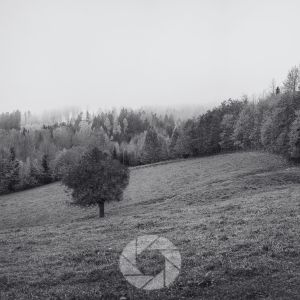
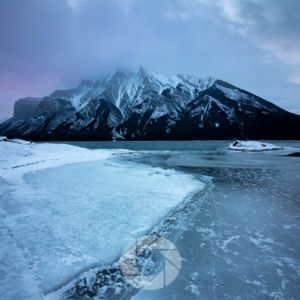
Minimalism in winter photography feels almost effortless because nature has already begun simplifying the scene for us. Snow covers busy ground cover, bare trees reveal elegant structure, and soft winter light reduces harsh contrast.
Rather than searching for more subjects, winter teaches us to appreciate fewer.
For landscape photographers, this season offers an opportunity to develop stronger compositions while embracing stillness, patience, and intentional seeing.
Winter Landscape Photography: Finding Beauty Through Minimalism
There is something uniquely peaceful about winter landscape photography. As snow blankets the land and many of nature’s distractions disappear, the world becomes quieter, simpler, and more deliberate. The chaos of autumn colors gives way to clean lines, subtle textures, and gentle contrasts that invite us to slow down and truly observe.
As photographers, we often believe stronger images require more dramatic subjects. Winter teaches the opposite. A single tree, a winding trail through fresh snow, or a patch of fog drifting across a frozen field can communicate remarkable beauty when photographed with intention.

My Free Winter Landscape Photography Guide walks you through everything you need to capture not just images, but the true spirit of the season.
Free Guide: Your Best Winter Photos Yet!
Unsubscribe at anytime. I don’t share your information from this form with anyone.
Why Winter Is The Perfect Season For Minimalist Photography
Every season has its own visual personality. Spring bursts with growth, summer overflows with abundance, and autumn celebrates vibrant color. Winter, however, strips the landscape back to its essentials.
This natural simplification makes winter the perfect season to explore minimalist winter photography. With fewer competing elements, your eye naturally begins noticing shape, line, texture, and light instead of visual clutter.
Minimalism is often misunderstood as photographing less. In reality, minimalist landscape photography is about revealing what matters most. Winter gives us that opportunity.
Photography simplicity is ultimately about recognizing that nature has already done much of the editing for us. By embracing quieter compositions, we learn to appreciate stillness, patience, and presence. In many ways, this is the deeper gift of winter landscape photography. It reminds us that every season has wisdom to offer, and that apparent emptiness often contains the greatest opportunity for reflection and renewal.
Viewed through the lens of eco spiritual photography, winter becomes more than a season of cold and snow. It becomes a time of rest within the Wheel of the Year, inviting us to pause, observe, and reconnect with the enduring rhythms of the natural world.

What Is Minimalism In Landscape Photography?
Minimalism is not defined by empty photographs. It is defined by intentional photographs.
A minimalist landscape photography composition removes distractions so the viewer can focus on a single idea, subject, or feeling. Every element remaining in the frame contributes to the story.
Simple landscape photography asks us an important question before pressing the shutter. “What can I remove?”
Often, removing visual clutter creates stronger emotional impact than adding more interest.
Winter Photography Gear
- Sturdy Tripod from Peak Design
- Zoom (Canon 24-105mm)
- Long Range Zoom (100-500mm)
- Wide Angle (Rokinon 14mm)
- Remote Trigger (or use in Camera timer)
- Lens Cloths
- ND Filters
- Polarizer
How To Photograph Minimalist Winter Landscapes
Learning how to photograph minimalist winter landscapes begins with observation rather than equipment. Look for scenes that naturally contain only a few visual elements.
Excellent minimalist subjects include:
- A lone tree standing in fresh snow
- A weathered fence disappearing into white fields
- A winding creek cutting through frozen meadows
- Animal tracks crossing untouched snow
- A small cabin surrounded by winter silence
Rather than filling the frame, allow the landscape room to breathe.
Why Snow Creates The Perfect Blank Canvas
Snow is one of nature’s greatest compositional tools. It simplifies busy scenes while creating a clean background that isolates subjects beautifully. Snow photography composition becomes easier because the landscape already provides visual separation.
Instead of competing textures and colors, the eye immediately recognizes the main subject. Photographing snow landscapes often becomes an exercise in restraint rather than complexity.
How To Use Negative Space In Winter Photography
Negative space in winter photography feels particularly powerful because snow naturally creates large areas of visual simplicity.
This empty space is not wasted space. Instead, it creates breathing room that allows the subject to command attention while reinforcing feelings of solitude, peace, and scale.
Photography and negative space work together to communicate emotion as much as composition. A single tree surrounded by untouched snow often tells a stronger story than an entire forest crowded into one frame.
How Do You Find Strong Subjects In A Minimalist Scene?
Minimalist compositions rely on subjects with clear visual character. Look for:
- Lone trees
- Fence posts
- Snow covered barns
- Rocks emerging from snow
- Mountain peaks surrounded by fog
- Footprints leading into the distance
Environmental storytelling photography often works exceptionally well with these simple subjects because viewers naturally begin imagining the larger story surrounding them.
Why Fog And Overcast Days Improve Winter Compositions
Many photographers hope for bright sunshine after fresh snowfall. Ironically, winter photography in overcast light often produces stronger minimalist images.
Soft light removes harsh shadows while allowing subtle textures and gentle tonal transitions to become visible.
Using fog in winter photography adds another layer of atmosphere. Fog reduces visual distractions even further, creating quiet scenes that encourage contemplation.
Photographing snow in fog often feels less like documenting a landscape and more like revealing a memory.
How To Use Telephoto Lenses For Cleaner Compositions
Although wide angle lenses receive much of the attention in landscape photography, telephoto landscape photography can be incredibly effective during winter.
Longer focal lengths compress distant layers while allowing photographers to isolate subjects in landscape photography.
Instead of photographing an entire valley, you might isolate one snow covered tree against a hillside or a distant ridge emerging from mist. Telephoto lenses simplify naturally.
Leading Lines In Snow: Creating Simplicity And Flow
Leading lines remain just as important in winter as during any other season. Snow offers unique opportunities through:
- Footprints
- Fence lines
- Frozen rivers
- Shadows
- Ski tracks
These subtle lines guide viewers naturally through the composition while maintaining the simplicity that defines minimalist winter photography.
More about Winter Landscape Photography
- Winter Landscape Photography Guide
- Understanding Winter Light
- Winter Landscape Photography Camera Settings
- Winter Photography Composition Tips
- Using Minimalism in Winter Photography
- Winter Solstice Landscape Photography
- How to Photograph Winter Landscapes Without Gray Snow
- Circular Polarizers Explained
- ND Filters vs Polarizers
When Should You Convert Winter Images To Black And White?
Winter is one of the strongest seasons for monochrome landscape photography. Without vibrant colors competing for attention, form, texture, contrast, and shape become the primary visual language. Black and white winter photography works especially well when:
- Snow contrasts against dark trees
- Fog softens distant mountains
- Strong textures dominate the landscape
- Color contributes little to the story
Removing color often strengthens emotional impact rather than reducing it.
How To Photograph Winter Textures And Patterns
Not every winter photograph needs to feature sweeping vistas. Winter textures photography encourages us to notice details that many photographers overlook. Look for:
- Frost crystals
- Ice bubbles
- Wind sculpted snow
- Cracked frozen lakes
- Snow patterns photography created by drifting wind
These smaller scenes often reveal winter’s quiet beauty just as effectively as grand landscapes.
Can Abstract Photography Make Winter More Interesting?
Absolutely. Abstract winter photography invites photographers to move beyond literal representation.
Rather than documenting entire scenes, focus on repeating shapes, flowing curves, textures, and subtle tonal variations.
Patterns in snow photography become especially interesting when scale disappears and viewers are left interpreting form rather than location. Winter fine art photography often begins with abstraction.
Common Mistakes Beginners Make In Minimalist Winter Photography
One common mistake is trying to fill every empty space. Another is including too many competing subjects simply because they are available.
Many beginners also increase contrast excessively during editing, removing the soft atmosphere that gives winter much of its emotional character. Minimalism succeeds because it allows fewer elements to communicate more.
How To Slow Down And See More During Winter
Mindful landscape photography naturally complements winter. The season encourages slower movement, quieter observation, and greater patience.
Rather than rushing between locations, spend time watching light change across snowfields, observing shifting fog, or noticing subtle textures beneath your feet.
Photography as meditation becomes surprisingly natural when the landscape itself moves at a quieter pace.
What Winter Teaches Us About Simplicity
Winter reminds us that beauty does not depend on abundance. Sometimes a single tree is enough.
Sometimes a line of footprints tells an entire story. Sometimes silence becomes the subject.
Seeing less to see more is one of winter’s greatest lessons. By embracing restraint, we often discover photographs with greater emotional depth than scenes filled with visual complexity.
The Four Elements In Winter Landscapes: Earth, Air, Water, And Ice
Although winter appears quiet, every element remains active.
Earth provides the forms hidden beneath the snow.
Air arrives as drifting fog, falling snow, and cold winds.
Water transforms into rivers, frost, and ice.
Fire appears in the warm glow of sunrise and sunset reflecting across frozen landscapes.
Photography and the seasons remind us that winter is not an ending. It is simply another chapter within nature’s continual cycle of rest, renewal, and transformation.
Conclusion
Minimalism in winter photography is far more than a compositional style. It is an invitation to slow down, simplify, and pay closer attention to the landscape around us. Winter removes distractions naturally, encouraging us to focus on shape, light, texture, and the quiet relationships between the elements that remain.
- Winter Landscape Photography: Finding Beauty Through Minimalism
- Why Winter Is The Perfect Season For Minimalist Photography
- What Is Minimalism In Landscape Photography?
- Winter Photography Gear
- How To Photograph Minimalist Winter Landscapes
- Why Snow Creates The Perfect Blank Canvas
- How To Use Negative Space In Winter Photography
- How Do You Find Strong Subjects In A Minimalist Scene?
- Why Fog And Overcast Days Improve Winter Compositions
- How To Use Telephoto Lenses For Cleaner Compositions
- Leading Lines In Snow: Creating Simplicity And Flow
- When Should You Convert Winter Images To Black And White?
- How To Photograph Winter Textures And Patterns
- Can Abstract Photography Make Winter More Interesting?
- Common Mistakes Beginners Make In Minimalist Winter Photography
- How To Slow Down And See More During Winter
- What Winter Teaches Us About Simplicity
- The Four Elements In Winter Landscapes: Earth, Air, Water, And Ice
- Conclusion
- More about Winter Landscape Photography