

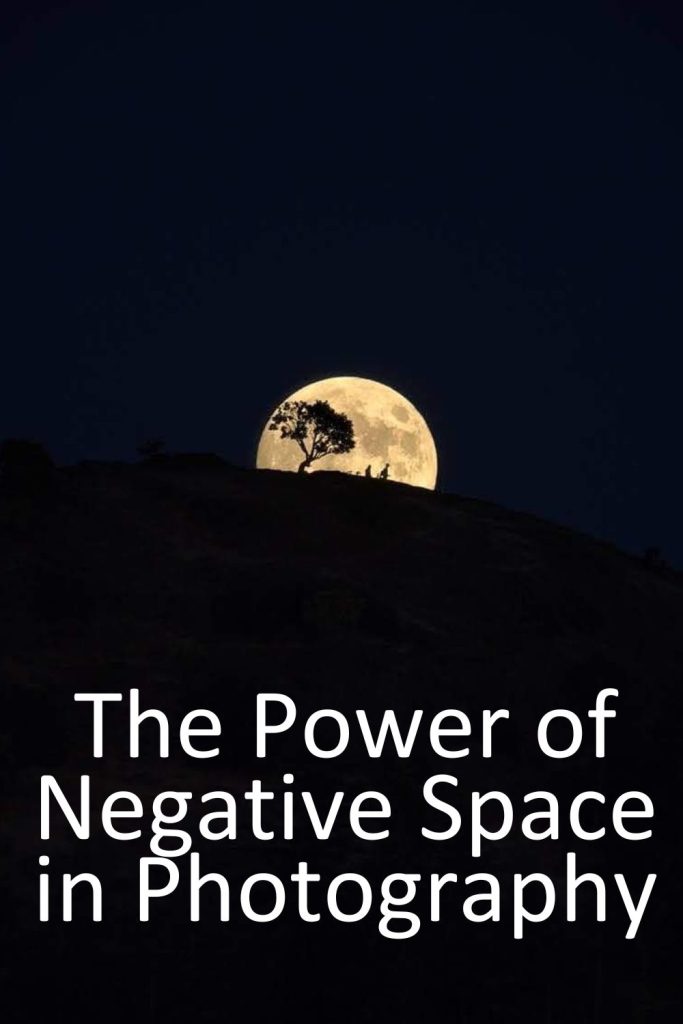
Many photographers begin their journey focused on adding more to the frame. More foreground interest. More dramatic elements. More layers.
In the early stages of learning composition, it can feel as if every photograph needs something extra to make it stronger.
Over time, however, many photographers discover a surprising truth. Some of the most powerful photographs contain less, not more.
In this post, we explore negative space in landscape photography and how you can use it to create effective and memorable images that connect with your audience.
The Power Of Negative Space In Photography
Negative space in photography is one of the most effective compositional tools available. Instead of filling the frame with detail, it allows emptiness to play an active role in the image. Sky, water, fog, snow, or open desert can become just as important as the subject itself.
When used intentionally, negative space simplifies a scene, directs the viewer’s attention, and creates a sense of calm and balance within the photograph.
For landscape photographers especially, learning to see and use space can transform the way we approach composition.

Discover Your Next Journey – These Tours are designed for people who connect with light and landscape.
What Is Negative Space In Photography
Negative space in photography refers to the empty or open areas surrounding a subject. These areas contain little detail and act as visual breathing room within the frame.
The subject itself is often referred to as positive space. Everything around that subject that provides separation or contrast becomes negative space.
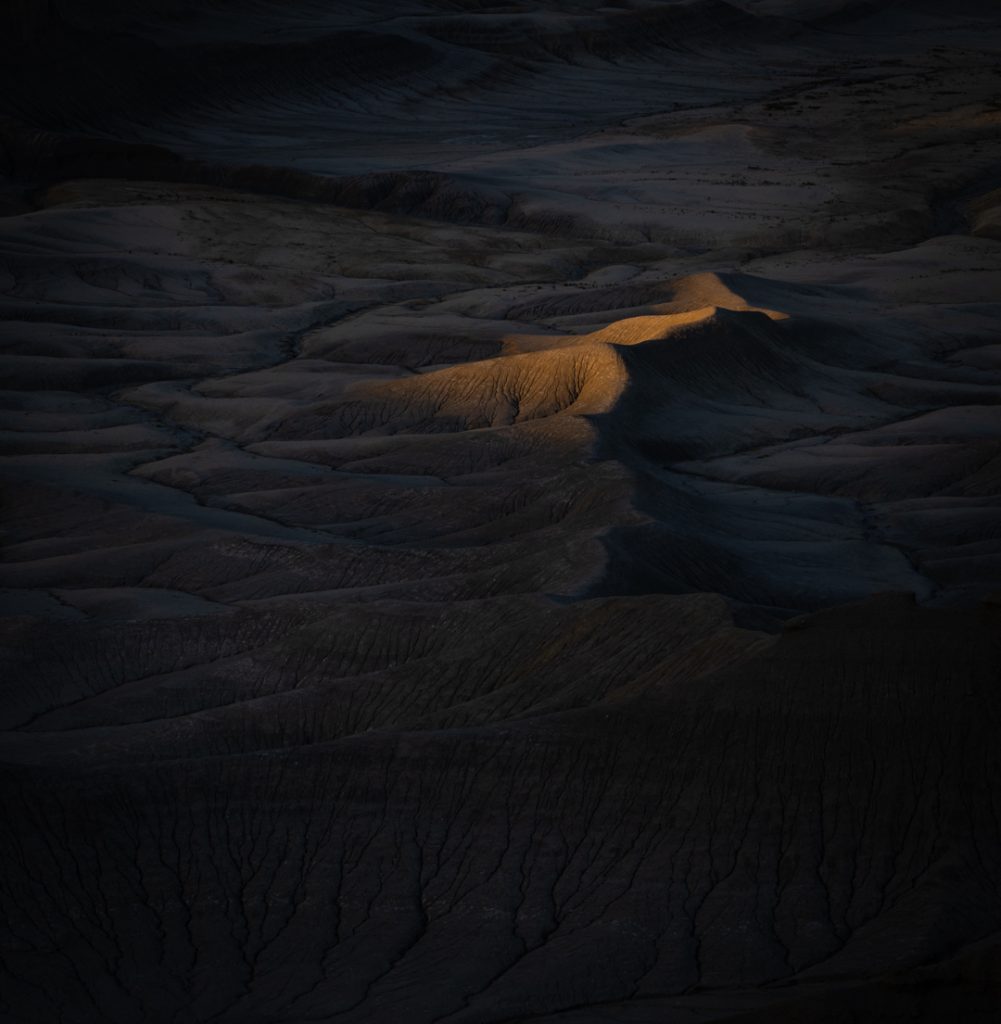


In each of these examples, the surrounding emptiness strengthens the subject by giving it context and scale.
What is negative space in photography is ultimately a question about relationships within the frame. The subject becomes more noticeable when it is surrounded by open space.
This contrast helps the viewer immediately understand what the photograph is about.

Why Negative Space Makes Stronger Compositions
Negative space works in photography because it reduces visual competition. When too many elements exist within a frame, the viewer’s attention becomes scattered. The eye jumps from object to object without settling on a clear subject.
Negative space composition photography solves this problem by removing distractions. The result is a composition that feels calmer and easier to read.
Strong negative space compositions often achieve several things:
• they isolate the subject clearly
• they guide the viewer’s eye naturally toward the focal point
• they create a sense of balance within the frame
• they emphasize scale and environment
In landscape photography, this approach often reveals the true character of a place. Wide skies, open water, and distant horizons can communicate a sense of vastness that crowded compositions cannot.
📸Learn for free!
➡️ FREE Wallpapers and Guides
➡️ DISCOUNTS on future Tours & Tutorials
➡️ TIPS for improving Your photography
You can unsubscribe at anytime.
Negative Space Vs Positive Space Understanding Balance
Understanding negative space vs positive space photography is essential for learning composition.
Positive space refers to the subject or areas of visual interest within the image. Negative space refers to the quieter areas that surround and support that subject.
A strong photograph usually contains both elements working together.
The goal is not to eliminate positive space entirely. Instead, the goal is to create balance between subject and environment.
Negative space and balance in composition work together when the subject stands out clearly against its surroundings, allowing it to become the natural focal point of the image. The surrounding space supports the subject rather than competing with it, creating a sense of harmony within the frame.
As a result, the viewer’s eye moves naturally through the scene, settling on the subject without distraction and experiencing the composition as a cohesive whole.
Think of negative space as silence in music. Silence is not the absence of sound. It is the pause that gives meaning to the notes around it.
How To Use Negative Space In Landscape Photography
Negative space landscape photography is especially powerful because natural environments often contain large open areas. Photographers can use these spaces intentionally to strengthen their compositions.
Common sources of negative space in landscapes include open sky, calm water surfaces, fog or mist, snow covered fields, and empty desert terrain, all of which provide clean, uncluttered areas that help isolate the subject and create a sense of calm within the composition.
Learning how to use negative space in photography begins with recognizing these natural elements. When composing an image, consider allowing these areas to dominate the frame rather than minimizing them.
For example, placing a small subject within a large sky can emphasize scale and isolation. A lone rock within a smooth desert surface can create a strong visual anchor.
Instead of asking what you can add to a scene, ask what you can remove. Less is more!
Why Minimalism Works So Well In Nature Photography
Minimalist landscape photography composition relies heavily on negative space.
Minimalism in art often focuses on reducing visual information so that essential elements become more noticeable. In nature photography, this approach can reveal subtle relationships between shape, light, and color.
Negative space and minimalism in art share a common philosophy. Both emphasize simplicity, clarity, and intentional design.
Minimalist landscapes often include:
• a single dominant subject
• large areas of uniform texture or color
• strong contrast between subject and background
Snow covered landscapes are a good example. Winter often removes visual clutter from a scene, leaving behind simple shapes and soft tonal transitions.
These environments naturally support minimalist compositions.
How Negative Space Guides The Viewer’s Eye
One of the most powerful aspects of negative space is its ability to guide visual attention.
Human eyes are naturally drawn toward areas of contrast or detail. When a subject is surrounded by open space, it becomes the obvious focal point.
Negative space composition photography often directs the viewer’s eye through the image in subtle ways.
For example, a large sky above a small subject naturally draws attention downward, a wide empty foreground can lead the eye toward distant mountains, and fog surrounding a tree helps isolate it visually, making the subject stand out with greater clarity.
In each case, the surrounding emptiness acts like a visual pathway that directs attention.
This technique can be particularly effective in storytelling photography because it allows the subject to stand out without visual competition.
Creating Emotion And Mood With Empty Space
Negative space also has strong emotional qualities. The emotional impact of negative space often depends on how much of the frame is empty and what type of environment surrounds the subject.
Large open areas can evoke feelings of solitude, calmness and introspection.
Photographing emptiness in landscapes can create a quiet, reflective mood that crowded compositions rarely achieve.
Foggy environments are particularly effective for this reason. Mist removes visual detail and leaves behind soft gradients and shapes.
Similarly, open deserts or wide ocean horizons can convey a feeling of scale and stillness.
Creating mood with negative space is less about technical settings and more about emotional awareness.
Using Sky Water And Fog As Negative Space
Landscape photographers often rely on natural elements to create negative space. Sky is one of the most common examples. A large sky above a small subject can communicate openness and scale.
Water surfaces provide another powerful form of negative space. Calm lakes or ocean horizons create smooth visual areas that contrast with detailed subjects such as rocks, boats, or trees.
Fog and mist are particularly effective because they naturally simplify the scene.
Horizon and sky as negative space can also help break traditional composition rules. Instead of dividing the frame evenly, photographers may allow the sky to occupy most of the image.
This approach emphasizes atmosphere and environment rather than foreground detail.
Common Mistakes When Using Negative Space
While negative space can strengthen compositions, beginners sometimes struggle with using it effectively. Negative space works best when the subject still remains visually clear and meaningful.
Common mistakes include placing the subject too close to the edge of the frame, leaving space that does not support the subject visually, creating empty areas that feel accidental rather than intentional, and allowing negative space to dominate without a clear focal point.
The space should support the subject, not replace it.
A helpful way to evaluate negative space is to ask whether the emptiness strengthens the story you want the photograph to tell.
Seeing The Landscape Differently Training Your Eye To Notice Space
Learning to see negative space requires a shift in perspective.
Many photographers train themselves to look for objects first. Trees, rocks, waterfalls, or dramatic peaks often become the focus of attention.
Negative space encourages a different approach.
Instead of looking only at the objects within a scene, begin noticing the areas between them.
Pay attention to:
• open sky surrounding mountain ridges
• smooth water surfaces around rocks
• fog that separates trees within a forest
• empty desert plains surrounding distant formations
Over time, your eye begins to recognize that landscapes are defined not only by what is present but also by what is absent.
Negative space reminds us that the landscape is not only made of objects. It is also made of quiet spaces such as sky, water, distance, and silence.
Conclusion
Negative space is one of the most powerful and often overlooked tools in photography.
By allowing empty areas to play an active role in composition, photographers can simplify scenes, guide the viewer’s eye, and create stronger emotional impact. Instead of filling the frame with detail, negative space invites calm, balance, and clarity.
For landscape photographers, this approach often reveals the true character of a place. Wide skies, open water, fog, and empty deserts all become visual elements that contribute meaning to the image.
Learning to use negative space is not just about composition techniques. It is about learning to see differently. It is about recognizing that landscapes are shaped as much by silence and openness as they are by objects.
When photographers begin to notice these quiet spaces, their images often become more thoughtful, more balanced, and more emotionally powerful.
- The Power Of Negative Space In Photography
- What Is Negative Space In Photography
- Why Negative Space Makes Stronger Compositions
- Negative Space Vs Positive Space Understanding Balance
- How To Use Negative Space In Landscape Photography
- Why Minimalism Works So Well In Nature Photography
- How Negative Space Guides The Viewer’s Eye
- Creating Emotion And Mood With Empty Space
- Using Sky Water And Fog As Negative Space
- Common Mistakes When Using Negative Space
- Seeing The Landscape Differently Training Your Eye To Notice Space
- Conclusion
- 📸Learn for free!