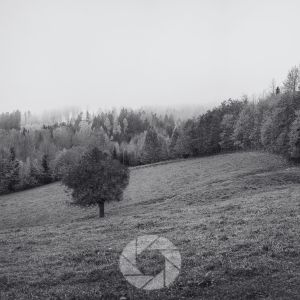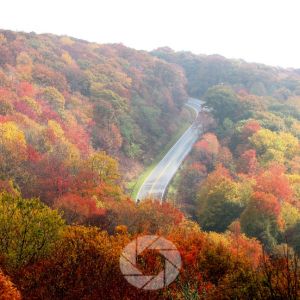


Fall photography teaches us an important lesson about nature itself. The landscape is constantly changing. Leaves fall. Storms arrive. Fog drifts through valleys. Sunlight breaks through clouds for only a few moments before disappearing again.
Photography becomes less about controlling the landscape and more about responding to it.
This mindset shift can be transformative. Instead of waiting for perfect conditions, you begin finding beauty in changing weather. Every forecast becomes an opportunity to create something unique.
The reality is that fall photography in any weather can produce extraordinary results when you learn to work with nature rather than against it.
I receive commissions from links in this post, thank you for your support
Fall Photography In Any Weather: Finding Beauty In Every Autumn Condition
Fall has a reputation for being one of the most beautiful seasons for landscape photography. Brilliant foliage, low-angle light, morning fog, and cooling temperatures create endless opportunities for memorable images.
Yet many photographers make the mistake of believing that great autumn photography only happens during perfect conditions.
Some of my favorite autumn photographs were created on days that initially seemed disappointing. The forecast called for rain, thick fog rolled into the valleys, or strong winds swept through the forest.
Instead of packing up and heading home, I learned to adapt. Over time, I realized that weather conditions for landscape photography are not obstacles. They are creative tools.

My Free Fall Photography Fundamentals guide walks you through everything you need to capture not just images, but the true spirit of the season.
Free Guide: Your Best Fall Photos Yet!
Why Fall Photography Doesn’t Require Perfect Weather
Many photographers associate ideal conditions with clear skies and vibrant color. While those conditions certainly have their place, they are only one small part of what autumn offers.
Think about the visual characteristics of fall itself. Autumn is a season of transition. It is filled with shifting light, changing weather patterns, and landscapes that seem different every day.
Trying to photograph autumn only during perfect conditions ignores much of what makes the season special.
Clouds soften harsh light. Fog creates atmosphere. Rain deepens color saturation. Wind introduces movement and energy. Each weather pattern reveals a different side of the landscape.
The most memorable fall landscape photography often emerges from conditions or places that challenge our expectations.

How To Photograph Fall Landscapes In Any Weather
Learning how to photograph fall landscapes in any weather begins with preparation and flexibility. Instead of asking whether the weather is good or bad, ask what opportunities the conditions create.
Consider how different weather patterns affect the landscape:
- Sunny conditions create vibrant color, strong contrast, and dramatic backlighting
- Overcast conditions provide soft, even illumination and reduced contrast
- Fog simplifies busy scenes and adds mystery
- Rain enhances color saturation and reveals texture
- Wind creates motion and energy
Every weather pattern tells a different story. Your job as a photographer is to discover what story the landscape wants to tell on that particular day.
📸Learn for free!
➡️ FREE Wallpapers and Guides
➡️ DISCOUNTS on future Tours & Tutorials
➡️ TIPS for improving Your photography
You can unsubscribe at anytime.
Is Overcast Weather Good For Fall Photography?
One of the most common questions beginners ask is, “Is overcast weather good for fall photography?” The answer is often yes.
Cloudy conditions act like a giant natural diffuser. Harsh shadows disappear, bright highlights become easier to manage, and autumn colors often appear richer and more saturated.
Overcast fall photography tips include slowing down and focusing on details that might be overlooked during sunny conditions.
Look for:
- Colorful forest scenes
- Waterfalls surrounded by fall foliage
- Moss covered rocks and streams
- Intimate woodland compositions
- Layers of color within forests
The quiet quality of overcast light aligns beautifully with the slower rhythms of autumn. Rather than emphasizing dramatic contrast, it encourages careful observation and subtle storytelling.
How Do You Photograph Fall Foliage In Fog?
Fog photography in autumn creates some of the most atmospheric and emotional images of the season.
When fog moves into a landscape, it removes distractions. Distant elements fade away. Shapes become simplified. The viewer’s attention naturally focuses on the strongest visual elements.
How do you photograph fall foliage in fog? Start by embracing simplicity and minimalism.
Instead of trying to capture an entire landscape, look for individual trees, forest edges, winding paths, or ridgelines emerging from the mist. Fog naturally creates depth by separating foreground, middle ground, and background layers.
Misty autumn landscape photography often succeeds because it invites viewers to imagine what lies beyond what they can see.
Fog also connects beautifully with the Air element. It transforms familiar places into something mysterious and dreamlike, reminding us that nature is constantly shifting and revealing new perspectives.
Why Fog Creates Mood, Depth, And Mystery
Fog is one of nature’s most powerful compositional tools.
It reduces visual clutter and creates a sense of atmosphere that is difficult to replicate through editing. Photographers often spend years learning how to simplify their compositions. Fog does much of that work naturally.
When photographing foggy scenes:
- Expose carefully to avoid dull gray images
- Use exposure compensation when necessary
- Look for layers and silhouettes
- Simplify compositions
- Focus on mood rather than detail
The result is often a photograph that feels more emotional and contemplative than a traditional scenic landscape.
How To Photograph Autumn Leaves In The Rain
Many photographers avoid rainy weather. I often look forward to it.
Rainy day fall photography reveals a side of autumn that many people never notice. Wet leaves become richer and more saturated. Tree bark darkens and gains texture. Small streams become more dynamic. Reflections appear in unexpected places.
Photographing autumn leaves in the rain is particularly rewarding because water enhances color naturally.
Look for:
- Leaves covered in raindrops
- Reflections in puddles
- Wet forest trails
- Streams carrying fallen leaves
- Colorful leaves resting on rocks or moss
Rain encourages us to slow down and pay attention to details. Instead of focusing on grand vistas, we begin noticing smaller stories unfolding within the landscape.
Best Camera Settings For Rainy Weather Photography
The best camera settings for rainy weather photography depend on your creative goals.
As a starting point:
- Aperture: f/8 to f/11 for most landscapes
- ISO: 100 to 400 depending on available light
- Shutter speed adjusted according to water movement
- Use a tripod whenever possible
A weather sealed camera for landscape photography can provide additional confidence in wet conditions, but even non-weather-sealed gear can perform well when properly protected.
The key is adapting your settings to the environment rather than forcing a single approach on every scene.
What Shutter Speed Should You Use For Rain Photography?
The ideal shutter speed for rain photography depends on how you want the rain to appear.
Fast shutter speeds such as 1/500 second or faster can freeze individual raindrops and create a sense of energy and movement.
Moderate shutter speeds around 1/60 second to 1/250 second often create a natural appearance while preserving detail throughout the scene.
Slower shutter speeds can blur rain and flowing water, producing a softer and more atmospheric result. This approach works especially well when photographing waterfalls in autumn, where moving water becomes part of the visual story rather than a sharply defined subject.
Water is never static. Adjusting your shutter speed allows you to decide how that movement is interpreted within the final image.
How Do You Photograph Fall Leaves In Windy Conditions?
Wind and fall photography can be frustrating if your goal is perfect sharpness. However, windy conditions offer creative opportunities that calm weather cannot provide.
How do you photograph autumn leaves in windy conditions? The first step is accepting that movement is part of the landscape. Instead of fighting it, consider how you can use it creatively.
You can:
- Increase shutter speed to freeze moving leaves
- Use a tripod to stabilize the rest of the composition
- Focus on sheltered areas where wind is reduced
- Embrace movement as part of the image
Autumn is inherently dynamic. Leaves fall, branches sway, and weather shifts constantly. Photographs that acknowledge that movement often feel more authentic than those that attempt to eliminate it entirely.
Using Motion Blur Creatively On Windy Days
Creative motion blur photography transforms challenging conditions into artistic opportunities.
Rather than trying to freeze every leaf, use slower shutter speeds to capture movement intentionally. Leaves become streaks of color. Grasses flow through the frame. Trees appear to dance with the wind.
This technique can create images that feel more emotional and expressive than perfectly sharp photographs.
Experiment with shutter speeds between one quarter second and several seconds. The results are often unpredictable, but that unpredictability is part of the creative process.
The Air element becomes visible through movement. Wind leaves its signature on the landscape, and motion blur allows that invisible force to become part of the image.
How To Photograph Fall Colors In Bright Sunlight
Sunny fall photography tips often begin with understanding that bright sunlight is not the enemy. Many photographers avoid midday sun, but strong light can produce stunning results when used thoughtfully.
Photographing fall colors in bright sunlight works particularly well when:
- Light is striking colorful foliage directly
- Shadows create interesting patterns
- Reflections add contrast and depth
- Backlit leaves become illuminated from behind
The key is learning how to work with contrast rather than avoiding it completely.
Why A Polarizing Filter Is Essential For Autumn Photography
A polarizing filter for fall photography is one of the most useful accessories you can carry during autumn.
Polarizers reduce glare from wet leaves, streams, ponds, and rocks. They also deepen blue skies and increase color saturation naturally.
One of the most noticeable benefits occurs after rainfall. Wet leaves often reflect significant glare, which can hide their true color. A polarizer removes much of that reflection and reveals the rich reds, oranges, and yellows beneath.
For many autumn scenes, a polarizing filter can make a dramatic difference before you even press the shutter.
How To Use Backlighting To Make Fall Leaves Glow
Backlighting autumn leaves is one of the most effective ways to showcase autumn color.
When sunlight passes through leaves from behind, it illuminates their internal structure and causes them to glow with remarkable intensity.
Look for opportunities during:
- Early morning
- Late afternoon
- Golden hour
- Forest edges where sunlight filters through openings
Golden hour fall photography is especially effective because the warm light complements autumn’s natural color palette.
The result often feels almost magical. Leaves appear to glow from within, reminding us of the Fire element’s role in bringing warmth, energy, and transformation to the season.
What Are The Best Camera Settings For Fall Photography?
While every scene is different, these settings provide a useful starting point for many autumn conditions.
For general fall landscape photography:
- Aperture: f/8 to f/11
- ISO: 100 to 200
- Shutter speed adjusted according to available light
- Shoot in RAW format whenever possible
- Use a tripod when light levels are low
Always remember that camera settings are tools, not rules. The landscape should guide your choices.
How To Protect Your Camera During Rain And Fog
Protecting camera gear in rain is often easier than many beginners assume. Simple precautions make a significant difference.
Carry a dedicated rain cover or even a plastic bag for emergencies. Keep lens cloths available to remove moisture from filters and lenses. Avoid changing lenses during heavy rain whenever possible.
Condensation can also be an issue when moving between cold outdoor environments and warm vehicles. Allow gear to adjust gradually to temperature changes.
Respecting the weather does not mean avoiding it. It means preparing for it thoughtfully.
Why “Bad” Weather Often Creates Better Landscape Photos
Why bad weather creates better photographs is a question worth considering.
Perfect conditions are beautiful, but they are also common. Dramatic weather often produces images that feel unique because the conditions themselves are unique.
Fog creates mystery
Rain enhances color
Wind introduces movement
Storms create atmosphere
Changing weather adds character and emotion to the landscape
Many of the most memorable photographs are created during moments when nature refuses to behave predictably.
The Four Elements Of Fall Photography: Earth, Air, Fire, And Water
Photography and the four elements offer a powerful framework for understanding autumn landscapes.
Earth appears through fallen leaves, forests, mountains, and the physical landscape itself.
Air reveals itself through fog, wind, clouds, and atmosphere.
Fire emerges through sunlight, glowing foliage, and the warm colors of autumn.
Water flows through rain, streams, waterfalls, reflections, and morning dew.
When you begin recognizing these elemental relationships, photography becomes more than a technical exercise. It becomes an exploration of how different forces interact within the natural world.
Learning To Work With The Weather Instead Of Against It
Mindful landscape photography teaches us to approach nature with curiosity rather than expectation.
Too often, photographers arrive with a specific image already fixed in their minds. When conditions differ from expectations, disappointment follows. A more rewarding approach is to respond to what the landscape offers.
Embracing imperfect weather photography means remaining open to surprise. It means understanding that every forecast contains creative possibilities.
Nature rarely follows our plans. Some of the most meaningful photographs happen when we stop insisting that it should.
Finding Beauty In Every Autumn Condition
Autumn is a season of constant transformation.
Sunny days reveal vibrant color and glowing leaves. Fog creates mystery and atmosphere. Rain enriches texture and saturation. Wind introduces movement and energy.
Each weather pattern reveals a different expression of the season. Seasonal storytelling through photography becomes richer when we embrace this diversity rather than waiting for ideal conditions.
The landscape is always changing. Our photographs become stronger when they reflect that reality.
Conclusion
Fall photography in any weather is ultimately about learning to see opportunity where others see obstacles.
Autumn photography is not defined by perfect forecasts. It is defined by your willingness to engage with the season as it unfolds. Rain, fog, wind, sunlight, and changing temperatures all contribute to the story the landscape is telling.
Photographing nature as it is requires patience, flexibility, and curiosity. It asks us to slow down, observe more carefully, and appreciate the beauty found within impermanence.
When we stop chasing perfect conditions, we begin discovering deeper connections to the land. We notice how weather shapes mood, how light transforms color, and how every season carries its own unique character.
Finding beauty in changing weather is not simply a photographic skill. It is a way of seeing the world. The next time the forecast looks less than ideal, consider heading out anyway. The landscape may have a story waiting that only that particular weather pattern can tell.
- Fall Photography In Any Weather: Finding Beauty In Every Autumn Condition
- Why Fall Photography Doesn't Require Perfect Weather
- How To Photograph Fall Landscapes In Any Weather
- Is Overcast Weather Good For Fall Photography?
- How Do You Photograph Fall Foliage In Fog?
- Why Fog Creates Mood, Depth, And Mystery
- How To Photograph Autumn Leaves In The Rain
- Best Camera Settings For Rainy Weather Photography
- What Shutter Speed Should You Use For Rain Photography?
- How Do You Photograph Fall Leaves In Windy Conditions?
- Using Motion Blur Creatively On Windy Days
- How To Photograph Fall Colors In Bright Sunlight
- Why A Polarizing Filter Is Essential For Autumn Photography
- How To Use Backlighting To Make Fall Leaves Glow
- What Are The Best Camera Settings For Fall Photography?
- How To Protect Your Camera During Rain And Fog
- Why "Bad" Weather Often Creates Better Landscape Photos
- The Four Elements Of Fall Photography: Earth, Air, Fire, And Water
- Learning To Work With The Weather Instead Of Against It
- Finding Beauty In Every Autumn Condition
- Conclusion
- FAQs
- 📸Learn for free!
FAQs
Yes. Overcast conditions provide soft, even light that reduces harsh shadows and helps autumn colors appear richer and more saturated. Many forest and waterfall scenes are easier to photograph successfully under cloudy skies.
Early morning and late afternoon are often the most rewarding times. Morning fog, calm conditions, and warm golden hour light can create beautiful atmosphere and enhance fall colors.
Use a rain cover, keep lens cloths handy, avoid unnecessary lens changes, and store gear in a weather resistant bag. Many photographers successfully shoot in rain by taking simple precautions.
Absolutely. Bright sunlight works particularly well when backlighting colorful leaves or creating strong contrast. A polarizing filter can help reduce glare and reveal deeper color.
Weather such as fog, rain, wind, and storms adds mood, atmosphere, texture, and uniqueness to a landscape. These conditions often create more memorable images than clear skies because they reveal a different side of the natural world.
References
- Michael Frye; The Landscape Photographer’s Guide to Capturing Great Light.
- Glenn Randall; Dawn to Dusk: Mastering the Light in Landscape Photography.
- David duChemin; The Soul of the Camera: The Photographer’s Place in Picture Making.