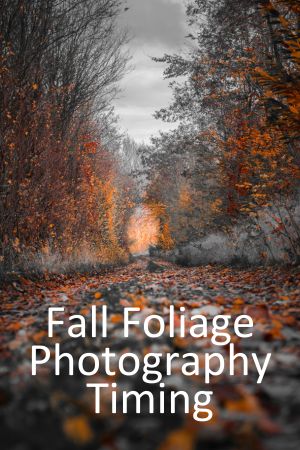
Fall photography rewards photographers who pay attention. The season changes daily, sometimes hourly, as leaves shift from green to gold, orange, and crimson before eventually returning to the forest floor.
By combining thoughtful autumn photography planning with flexibility and observation, you’ll find remarkable opportunities whether you’re photographing mountain aspens, maple forests, quiet woodland trails, or colorful local parks.
When And Where To Photograph Fall’s Most Beautiful Colors
One of the biggest questions every landscape photographer asks is about fall foliage photography timing. Unlike sunrise or sunset, autumn doesn’t arrive on a predictable schedule.
It unfolds gradually, influenced by temperature, rainfall, elevation, and latitude. Learning when to photograph fall foliage is less about chasing a single perfect weekend and more about understanding nature’s rhythm.
When Is The Best Time To Photograph Fall Foliage?
The best time for fall foliage photography depends entirely on where you are.
Northern regions and higher elevations begin changing first, while southern forests and lower elevations may not reach their peak until weeks later. Instead of focusing on a single calendar date, learn how autumn progresses across your region.
As a general guideline:
- High mountain elevations often peak from late September through early October
- Northern forests typically peak during early to mid October
- Mid elevation regions often reach peak color during mid to late October
- Lower elevations and southern regions frequently peak from late October into November
The best time to photograph autumn leaves is when the landscape matches the story you want to tell. Early color creates anticipation, peak color celebrates abundance, and fallen leaves reveal autumn’s quieter beauty.
Quick Fall Foliage Photography Timing Guide
| Stage | What To Photograph | Best Conditions |
|---|---|---|
| Early Color | Isolated yellow trees; first hints of autumn | Sunny mornings; backlighting |
| Approaching Peak | Mixed green and gold forests | Overcast or soft light |
| Peak Color | Expansive forests; mountain vistas; lakes | Golden hour; calm mornings |
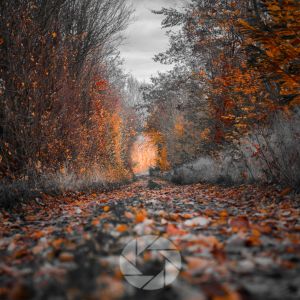
| Late Autumn | Fallen leaves; woodland details; foggy forests | Rain; fog; overcast skies |
My Free Fall Photography Fundamentals guide walks you through everything you need to capture not just images, but the true spirit of the season.
Free Guide: Your Best Fall Photos Yet!
You can unsubscribe at anytime. I don’t share your information from this form with anyone.
Why Do Fall Colors Peak At Different Times Each Year?
Many beginners wonder, “When do fall colors peak?” The answer changes every year because autumn is influenced by a combination of weather conditions rather than dates alone. Several factors affect peak fall colors photography:
- Cool nights without freezing temperatures
- Warm sunny days
- Adequate summer rainfall
- Elevation
- Latitude
- Tree species
Aspens often change color much earlier than maple forests, while valleys can remain green long after nearby mountain slopes have turned brilliant gold.
Understanding these patterns helps you plan smarter while avoiding disappointment if nature runs ahead of schedule or lingers a little longer.
How Can You Predict Peak Fall Color?
One of the best tools available is a fall foliage photography map.
Many tourism agencies, national parks, and regional forestry organizations publish weekly updates throughout autumn. A fall color tracker can help estimate where color is developing, but remember that these tools are guides rather than guarantees.
Weather changes quickly. Windstorms, early snowfall, heavy rain, or unexpected heat can dramatically alter conditions in only a few days.
Use foliage maps to narrow your search, then remain flexible enough to adapt once you arrive.

Where Are The Best Places To Photograph Fall Colors?
Some of the best locations for fall foliage photography are internationally famous, while others may exist only a few minutes from home. Popular destinations include:
- Vermont’s maple forests
- New Hampshire’s White Mountains
- Colorado’s San Juan Mountains
- Alberta’s Kananaskis Country
- Great Smoky Mountains National Park
These scenic fall photography locations are spectacular for good reason.
However, hidden fall photography locations often provide quieter experiences, fewer photographers, and greater opportunities to develop your own creative vision.
Should You Visit Famous Locations Or Hidden Gems?
Iconic viewpoints deserve their reputation, but they shouldn’t become your only destination.
Some of my favorite photographs have come from unnamed forest roads, quiet ponds, forgotten hiking trails, and roadside pullouts that most travelers simply drove past.
Hidden fall photography locations encourage exploration instead of imitation. Rather than asking where everyone else is photographing, ask yourself where autumn feels most alive.
How Does Elevation Affect Peak Fall Color?
Elevation can dramatically influence photographing seasonal transitions. A mountain road climbing only a few thousand feet may pass through several different stages of autumn on the same day. At lower elevations you may still find green forests.
Higher up, vibrant yellow aspens may already be glowing. Near the highest elevations, leaves may already be falling. This creates excellent opportunities to photograph multiple phases of autumn during a single outing.
Why Weather Matters More Than Peak Color
Many photographers focus entirely on reaching peak color. Weather often matters far more.
The best weather for fall photography is not necessarily bright sunshine. Overcast fall photography creates beautifully saturated colors while reducing harsh shadows.
Rainy fall photography adds texture, reflections, and richer color to leaves and forest floors.
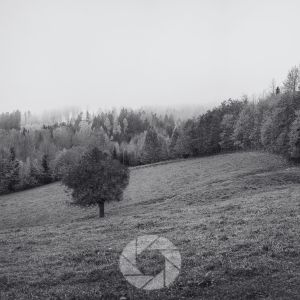
Foggy fall landscape photography introduces mystery, depth, and atmosphere that clear skies rarely provide.
Rather than cancelling your plans because of clouds or rain, consider embracing the conditions. They often produce your most memorable photographs.
What Time Of Day Is Best For Autumn Photography?
Golden hour fall photography remains one of the most reliable ways to enhance autumn color. Low angle sunlight creates warm illumination that complements yellow, orange, and red foliage beautifully.
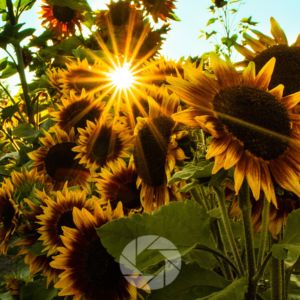
Backlighting autumn leaves can transform ordinary forests into glowing displays of color. Early morning also offers several advantages.
Calmer winds create better reflections. Fog is more common. Wildlife is often more active. The forests feel quieter, allowing you to slow down and connect more deeply with the landscape.
Should You Use A Polarizing Filter In Autumn?
A polarizing filter for fall photography remains one of the most useful accessories you can carry. By reducing glare from wet leaves, streams, and rocks, it reveals colors hidden beneath surface reflections. It is especially useful when:
- Photographing forests after rain
- Photographing colorful reflections in lakes
- Photographing waterfalls
- Capturing saturated autumn foliage
Like any tool, use it thoughtfully. Sometimes reflections contribute to the story rather than distracting from it.
How To Plan A Successful Fall Photography Trip
Planning a fall photography trip begins long before you leave home. Landscape photography travel planning includes researching locations, checking weather forecasts, monitoring foliage reports, and identifying sunrise and sunset directions.
A successful photography road trip planning process should also include flexibility. Instead of building a schedule around one location, identify several nearby alternatives. If one area loses its leaves early, another may still be approaching peak color.
Preparation gives you options rather than rigid expectations.
How To Find Beautiful Fall Color Close To Home
You don’t need to travel across the continent to enjoy autumn landscape photography. Local fall photography spots often provide outstanding opportunities. Look for:
- Community parks
- River pathways
- Nature preserves
- Botanical gardens
- Quiet country roads
- Small lakes and ponds
Photographing forests in autumn close to home allows you to revisit locations repeatedly, observing how light, weather, and color change throughout the season.
Familiarity often leads to stronger photographs than constant travel.
What Camera Gear Should You Bring For Autumn Landscapes?
A simple, reliable kit is often all you need for photographing colorful trees and mountain fall photography. Consider packing:
- Sturdy Tripod from Peak Design
- Zoom (Canon 24-105mm)
- Long Range Zoom (100-500mm)
- Wide Angle (Rokinon 14mm)
- Remote Trigger (or use in Camera timer)
- Lens Cloths
- ND Filters
- Polarizer
Rather than carrying every piece of equipment you own, focus on gear that supports the photographs you hope to create.
Common Mistakes When Planning A Fall Photography Trip
Many beginners make similar mistakes during autumn. These include:
• Chasing only peak color instead of appreciating every stage of the season
• Ignoring weather forecasts
• Arriving too late for sunrise
• Photographing only famous viewpoints
• Never exploring nearby trails or secondary locations
• Spending more time checking foliage reports than observing the landscape itself
Autumn rewards curiosity more than certainty.
Why Flexibility Is The Secret To Great Autumn Photography
The best autumn photography planning balances preparation with openness. Have a plan, but allow the weather, light, and landscape to reshape it.
Some of my favorite images came from unexpected moments after abandoning carefully prepared itineraries. Nature rarely follows our schedule.
Learning to adapt often leads to photographs with far greater character than the ones we originally imagined.
Posts for You About Fall
- Fall Photography Peak Foliage Timing and Planning
- Fall Photography in any Weather
- Fall in Oregon
- Fall Larch Hunt in Kananaskis Country, Alberta
- Colorado Fall Photography
- Fall Editing Tips
- Black and White Fall Photography
- Reflections in Fall Photography
- Unique Fall Angles
- Fall Photography Filters
The Seasons Are Never Early Or Late: Learning To Work With Nature
Photography and the changing seasons remind us that every landscape exists within a continual cycle. Autumn as a season of transformation is not confined to peak color. It begins with the first hints of yellow, celebrates vibrant forests at their height, and continues through fallen leaves returning nutrients to the forest floor.
Photography and impermanence are closely connected. Every photograph preserves a moment that can never be repeated, making attentiveness one of the most valuable skills we can develop.
Mindful landscape photography encourages us to stop chasing perfection and begin noticing what the landscape is offering today.
Conclusion
Fall foliage photography timing is ultimately about learning to follow nature rather than trying to control it. While foliage maps, weather forecasts, and planning tools are incredibly valuable, they can never replace careful observation once you’re standing in the landscape. Every autumn unfolds differently, and that unpredictability is part of its beauty.
- When And Where To Photograph Fall's Most Beautiful Colors
- When Is The Best Time To Photograph Fall Foliage?
- Quick Fall Foliage Photography Timing Guide
- Why Do Fall Colors Peak At Different Times Each Year?
- How Can You Predict Peak Fall Color?
- Where Are The Best Places To Photograph Fall Colors?
- Should You Visit Famous Locations Or Hidden Gems?
- How Does Elevation Affect Peak Fall Color?
- Why Weather Matters More Than Peak Color
- What Time Of Day Is Best For Autumn Photography?
- Should You Use A Polarizing Filter In Autumn?
- How To Plan A Successful Fall Photography Trip
- How To Find Beautiful Fall Color Close To Home
- What Camera Gear Should You Bring For Autumn Landscapes?
- Common Mistakes When Planning A Fall Photography Trip
- Why Flexibility Is The Secret To Great Autumn Photography
- The Seasons Are Never Early Or Late: Learning To Work With Nature
- Conclusion
- FAQ
- References
- Posts for You About Fall
FAQ
How do I know when fall colors will peak?
Use regional fall color trackers and foliage maps as a starting point, but always monitor local weather conditions. Temperature, rainfall, and elevation can shift peak color by several days or even weeks.
Is peak color always the best time to photograph autumn?
Not necessarily. Early color, peak foliage, and post peak conditions all offer unique photographic opportunities. Some of the most intimate autumn images are made after most of the leaves have fallen.
What weather is best for fall photography?
Overcast skies, light rain, and morning fog often produce richer colors and more atmospheric photographs than bright, cloudless days.
References
- Smoky Mountains. Fall Foliage Prediction Map.
- Explore Fall. Interactive Fall Color Map.
- Freeman, Michael. The Photographer’s Eye.